The loss ratio measures the ratio between claims paid and premiums collected, evaluating the profitability of contracts.
💡 Importance
It helps assess financial viability and adjust premiums to cover risks.
📈 Risk management
A strategic tool to analyze trends and adopt corrective measures.
👥 Impact on policyholders
High loss ratio can lead to premium increases and restrictions in coverage.
🔢 Example of calculation
Divide claims paid by collected premiums, then multiply by 100.
🔍 Monitoring
Regular tracking of the rate helps anticipate risks and adjust policies.
⚠️ Consequences of a high rate
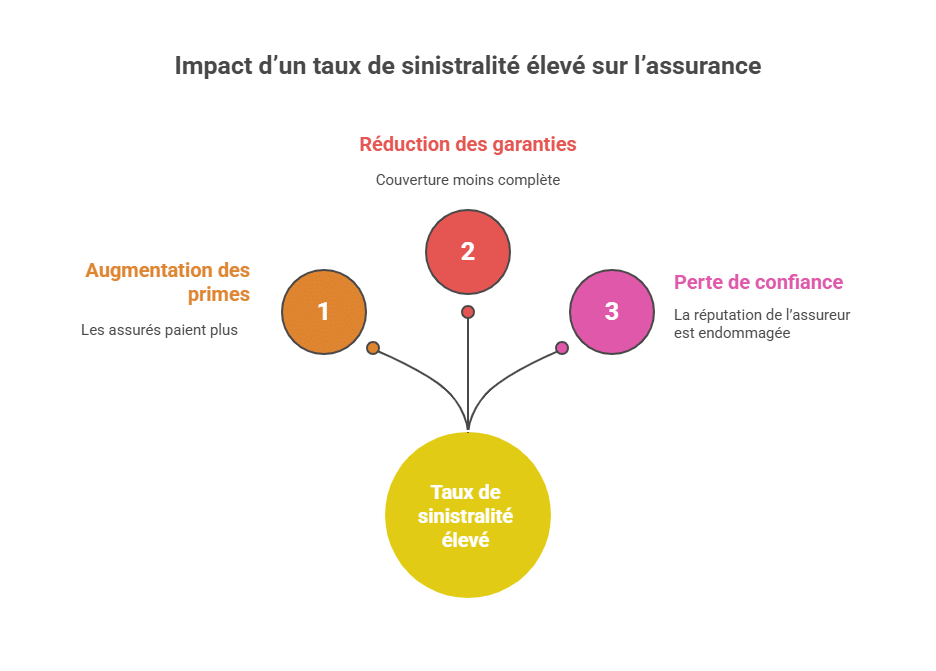
Premium increases, reduction of coverage, and loss of trust.
✅ Advantages of a low rate
Stable premiums, effective risk management, and better reputation.
⚙️ Influencing factors
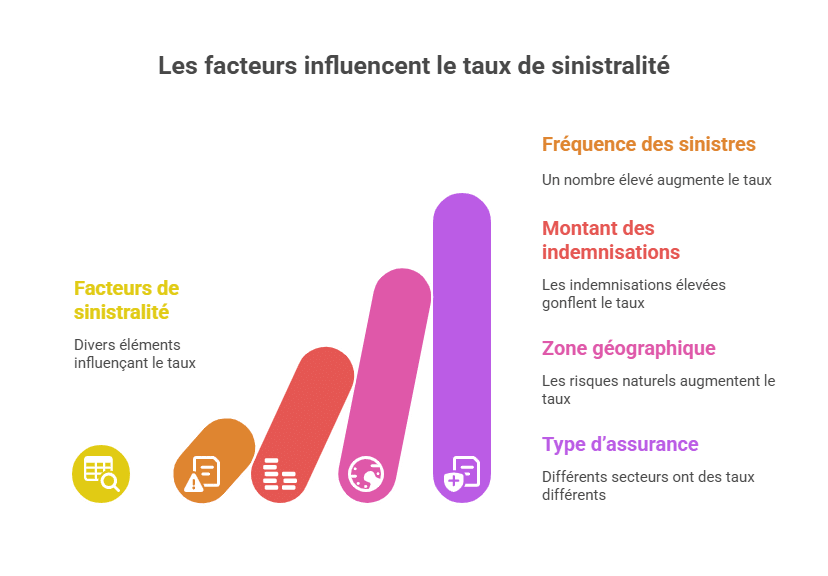
Frequency and severity of claims, geographic area, and type of insurance.
🛡️ Prevention
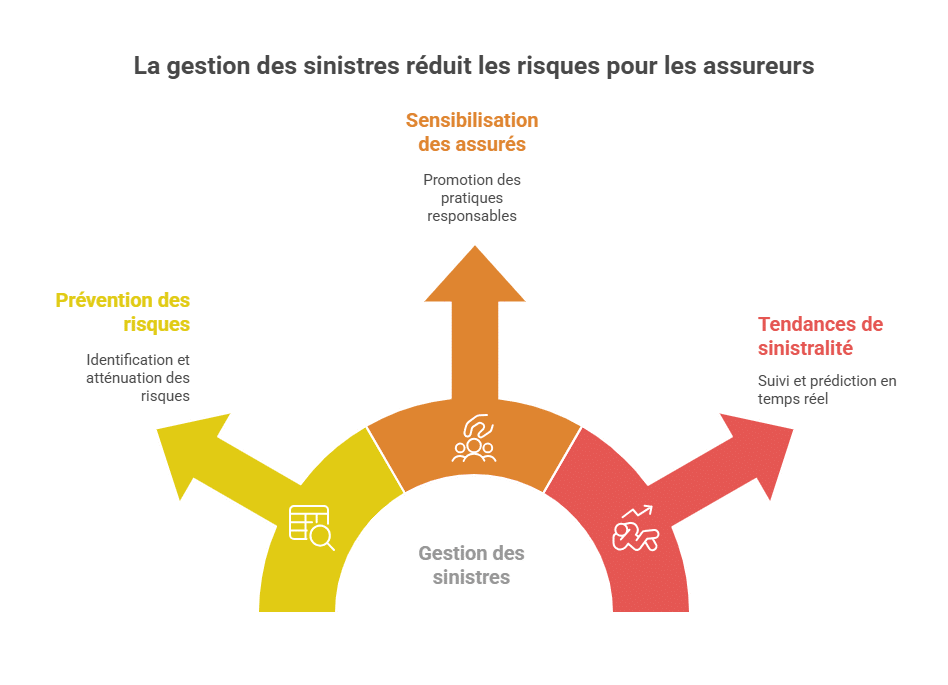
Identify risks, raise awareness among policyholders, and adopt modern management tools.
🚀 Technological innovations
Use of AI, big data, and automation to predict and manage risks.
🤝 Ethics
Protect vulnerable policyholders and enhance transparency in contract management.
📜 Conclusion
The loss ratio is essential to balance risks, adjust premiums, and maintain an equitable relationship between insurers and policyholders.
The loss ratio is a central concept in the insurance field. It allows for the assessment of the profitability of contracts by comparing the amounts paid out by insurers to the premiums collected. This indicator is of strategic importance, both for insurance companies, which must adjust their offerings, and for policyholders, whose premiums can change based on this rate. In this article, we will explore the definition of the loss ratio, influencing factors, consequences of a high rate, and solutions for effective management.
What is the loss ratio in insurance?
The loss ratio is a key tool to measure the financial performance of insurance companies. It is an indicator that establishes the relationship between the amounts paid by the insurer to cover claims and the premiums collected from policyholders. In other words, it helps determine whether the revenue from premiums is sufficient to cover the costs of claims.
Why is it important?
This indicator is fundamental for two main reasons. First, it provides a clear view of the profitability of insurance contracts. A high loss ratio, close to or exceeding 100%, indicates that the insurer spends as much, or more, than it receives, jeopardizing the economic viability of its activity. Second, the loss ratio is used to adjust premiums, ensuring that the risks undertaken are properly evaluated and covered.
A risk management indicator
The loss ratio is not limited to a simple profitability measure. It is also a tool for anticipation and risk management. Insurers use it to analyze trends in different segments, such as health, automotive, or home insurance. This helps them identify areas with higher risks and adopt corrective measures, such as revising coverage, adding deductibles, or adjusting contractual conditions.
Impact on policyholders
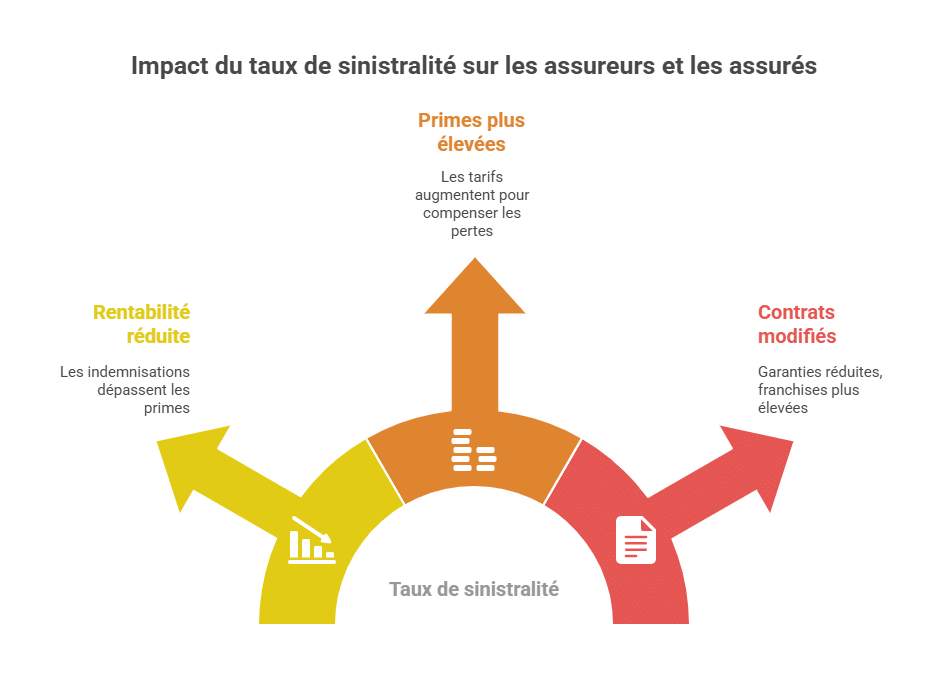
For policyholders, this rate can directly influence their premium amounts. When claims increase in a specific category, insurers are compelled to offset losses by raising tariffs. For instance, a rise in claims related to natural disasters can lead to higher premiums in affected regions.
Calculation example of the loss ratio
Premiums received (€)
Claims paid (€)
Loss ratio (%)
100,000
50,000
50
200,000
120,000
60
To calculate this rate, simply divide the claims paid by the premiums received, then multiply the result by 100.
Why monitor the loss ratio?
Monitoring the loss ratio is essential for both insurers and policyholders. This indicator plays a strategic role in managing financial risks and adjusting insurance policies.
Consequences of a high loss ratio
Compromised profitability for the insurer
A high loss ratio means that the insurer spends a significant, or even all, of the premiums collected to compensate claims. This can lead to financial losses and threaten the economic viability of the company.
Example: A rate above 100% reflects a situation where claims exceed premiums collected, endangering the financial stability of the insurer.
Premium increase for policyholders
To compensate for losses, insurers must adjust their pricing upward, which directly impacts policyholder budgets. These increases can make certain insurance contracts less accessible, especially in high-risk sectors or regions.
Contract modifications
Insurers may reduce coverage, increase deductibles, or introduce more restrictive clauses to limit their risk exposure.
Advantages of a low loss ratio
Effective risk management
A low loss ratio demonstrates good control over insured risks and increased profitability. This allows insurers to offer competitive contracts while ensuring stability.
Price stability
Policyholders benefit from constant or even reduced tariffs, enhancing their satisfaction and loyalty.
Enhancement of reputation
A low loss ratio improves the insurer’s image as an entity capable of efficiently managing claims while preserving its resources.
Why is this monitoring strategic?
Regular monitoring of the loss ratio allows for:
Identifying trends by sector, geographic area, or coverage type.
Making informed decisions to adjust premiums and coverage.
Prevention of high-loss situations by adopting preventive policies and raising awareness among policyholders.
Factors influencing the loss ratio
The loss ratio is affected by several factors that vary depending on the type of insurance, region, or risk management. These elements play a crucial role in increasing or decreasing this indicator.
Factors
Potential impact
Frequency of claims
A high frequency increases the rate.
Amount of indemnities
High indemnities also inflate the rate.
Geographic area
Some regions present higher natural risks.
Type of insurance
Each sector has different claim rates.
Detailed analysis of factors
Claim frequency The more claims are reported, the higher the loss ratio. For example, in densely populated areas, traffic accidents or claims related to natural disasters are more frequent, increasing costs for insurers.
Amount of indemnities The severity of claims directly influences claim amounts. Costly claims, such as serious bodily injuries or major damages caused by floods, can significantly increase the rate.
Geographic area Certain regions are more exposed to specific risks, like natural disasters (floods, earthquakes, storms). Insurers must consider these risks when adjusting premiums and preventing high claims.
Type of insurance Each insurance sector has distinct characteristics. For example:
Health insurance generally has a high claim rate due to significant medical costs.
Auto insurance may have a moderate rate but remains influenced by accident frequency.
Home insurance is impacted by claims related to natural disasters or water damages.
Importance of proactive management
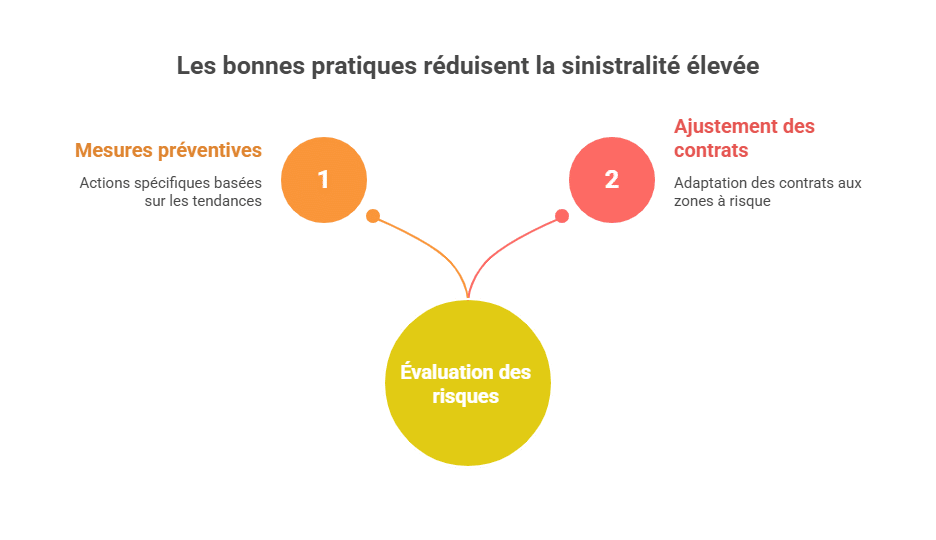
These factors show that proactive risk management is essential to control the loss ratio. Insurance companies can implement preventive measures such as:
Raising awareness among policyholders about specific risks.
Adjusting contracts to include clauses suitable for high-risk zones or sectors.
Utilizing modern technologies to anticipate claims trends.
Consequences of a high loss ratio
A high loss ratio can have significant repercussions for both insurers and policyholders. Here are the main consequences to consider:
Premium increases
A high loss ratio forces insurers to rebalance their finances by raising insurance premiums.
Policyholders must pay higher premiums, which can directly impact their budgets.
These rate hikes can make certain insurance policies less accessible, especially in high-risk sectors like auto or homeowner insurance in sensitive areas.
Coverage reduction
To limit financial losses, insurance companies adjust contract terms.
Coverage may be reduced, making protection less comprehensive.
Insurers may also introduce higher deductibles, shifting part of the risk onto policyholders. This forces policyholders to bear a larger share of costs, especially during recurrent claims.
Loss of trust
Excessive claims can harm the reputation of the insurer.
Customers perceive an increase in premiums and reduction in coverage as a lack of risk management effectiveness.
This situation can also affect the business relationships of insured companies, as high claims are often interpreted as a risk indicator. This can lead to loss of credibility and make it harder to access new insurance offers or renewals.
How to control the loss ratio?
Controlling the loss ratio relies on a combination of preventive strategies and proactive management. These actions help limit risks and ensure better profitability for insurance companies while providing optimal conditions for policyholders.
Claims prevention
Identify major risks
A detailed analysis of past claims and current trends helps detect high-risk zones or sectors. This identification assists in predicting and preventing future claims.
Raise awareness among policyholders about best practices
Training policyholders on preventive actions and responsible behaviors reduces the frequency and impact of claims. For example, in the automotive sector, awareness campaigns on road safety can help decrease accidents.
Modern management tools
Current technologies offer effective solutions for monitoring and anticipating claims trends.
Real-time monitoring: Analytical software enables continuous oversight of claims and detection of significant deviations.
Data-driven predictions: The use of AI and big data helps identify emerging risk factors and adjust policies accordingly.
Process automation: Quick claims processing and immediate corrective measures minimize losses.
Sector-specific examples
Sector
Average claims rate
Health insurance
85%
Automobile insurance
70%
Home insurance
65%
These figures show that each sector has unique characteristics influencing its claims rate.
Health insurance: High medical costs and prolonged treatments increase the claims rate.
Auto insurance: Accident frequency heavily depends on driving behaviors and road conditions.
Home insurance: Claims are often related to natural disasters or water damages.
Strategic challenges related to the loss ratio
Direct influence on competitiveness
The loss ratio is a major indicator for evaluating the competitiveness of an insurance company in a constantly evolving market. Insurers capable of maintaining a low rate can offer competitive deals, attracting more clients.
Differentiated pricing: Based on observed claim levels, companies adjust their pricing policies. For example, low-risk areas may benefit from reduced premiums, while high-risk sectors see increases. This ensures premiums reflect the actual risk level, optimizing profitability.
Appeal to policyholders: When insurers control their loss ratio, they can offer more attractive contracts, enhancing customer loyalty and attracting new policyholders. This control demonstrates effective risk management and improves the reputation of the insurer in the market.
Impact on reinsurance policies
Insurers use reinsurance as a tool to transfer part of their financial risks to other companies. However, a high loss ratio directly affects this process:
Cost increases: The more claims there are, the higher the premiums demanded by reinsurance companies to cover risks, reducing insurers’ margins.
Coverage reduction: In cases of excessive claims, reinsurers may limit coverage levels, exposing insurers to potentially larger losses. This compels insurers to revisit strategies and adopt proactive measures to reduce risks.
Good practices to prevent a high claims rate
Continuous risk assessment
To prevent rising claims rates, insurers must engage in regular risk assessments.
Analysis of historical data: Insurers should review past claims to identify recurring trends. For example, an increase in road accidents during winter may signal the need for specific preventive measures during this period.
Mapping high-risk areas: Some regions are more exposed to natural risks, such as floods or earthquakes. Mapping these zones helps companies anticipate periods of high claims and adjust contracts accordingly.
Training and policyholder education
Raising awareness among policyholders plays a key role in reducing claims.
Prevention workshops: Companies can organize sessions to inform clients about simple actions that reduce risks, such as maintaining electrical equipment or practicing safe driving.
Promoting safety: Offering reduced premiums to policyholders using safety devices, like smoke detectors or alarms, encourages responsible behaviors.
Collaboration among stakeholders
Effective management of claims relies on close collaboration among different actors within the insurance ecosystem.
Insurers and regulators: Regulators can impose directives to ensure appropriate pricing and fair coverage, even in high-risk areas.
Brokers and policyholders: Brokers play an important role in raising awareness among policyholders, explaining claims issues and helping choose suitable coverage.
Technological innovations for claims management
Predictive tools
Modern technologies, such as AI and big data, are transforming claims management.
AI for risk prediction: Machine learning algorithms analyze millions of data points to identify risk factors before they become issues. For example, a system can predict an increase in road accidents under specific weather conditions.
Big data analysis: Combining demographic, environmental, and historical data enables companies to anticipate claims trends, allowing them to adjust premiums or propose preventive actions.
Process automation
Automation makes claims handling faster and more efficient.
Claims processing: Automated systems can handle claims within hours, reducing indemnification delays and improving customer satisfaction.
Proactive monitoring: Using the Internet of Things (IoT), companies can install sensors to prevent claims. For example, water detectors can alert property owners and insurers of leaks before major damage occurs.
Concrete examples of innovation
Automobile insurance: Connected devices, or “telematics,” measure driver behavior (speed, braking, etc.) to adjust premiums based on risk profile.
Health insurance: Monitoring apps allow policyholders to track their health status, reducing risks of serious illnesses through early detection.
Ethical management of the loss ratio
Protecting vulnerable policyholders
Insurance companies must ensure protection for at-risk populations, without unjust penalties.
Solidarity policies: Offer appropriate premiums for areas prone to natural disasters without overburdening policyholders financially.
Modulated premiums: Set fair tariffs for policyholders with a high claims history, while promoting preventive solutions.
Transparency and communication
Clear communication about loss ratio management strengthens policyholder trust.
Inform about adjustments: Explain why certain premiums increase, highlighting claims data specific to a sector or region.
Highlight preventive efforts: Communicate initiatives taken by insurers to reduce risks, such as prevention campaigns or technological partnerships.
Conclusion
The loss ratio is a key indicator for insurers and policyholders. It helps evaluate profitability, adjust policies, and prevent risks. Proactive management, modern tools, and effective awareness are essential to mastering this indicator and maintaining a balanced relationship between insurers and policyholders.
BTS Insurance Graduate Founder aidebtsassurance.com Active since 2019
BTS Insurance graduate, I have been helping students prepare for and pass their exams since 2019. This site brings together all my courses, study guides and tools.
Fini les lectures passives. Pour retenir les notions clés du BTS Assurance, teste-toi ! Inscris-toi pour recevoir 1 quiz par jour directement dans ta boîte mail.