


The Case 51 of the IRSA Convention clarifies responsibilities in the event of an accident involving a vehicle that is reversing or making a U-turn. This is a crucial point often a source of conflicts during car claims management.
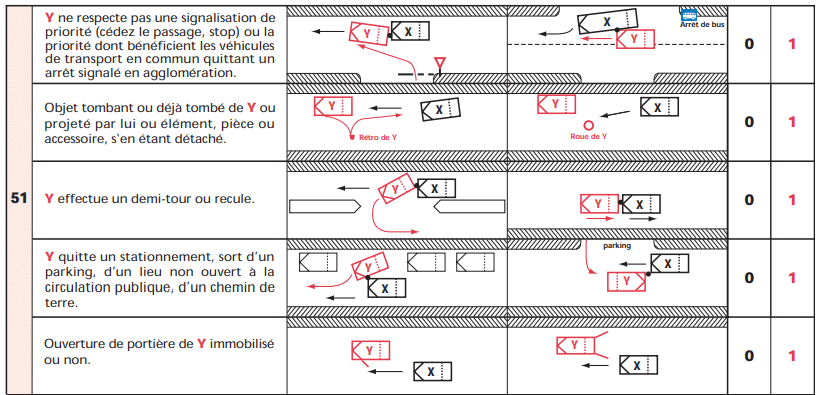


Case 51 Explained: U-turn and Reversing
In situations where an accident occurs because a vehicle makes a U-turn or reverses, the Case 51 is applied to determine liability between the insurers of the involved parties.
Principles of Responsibility
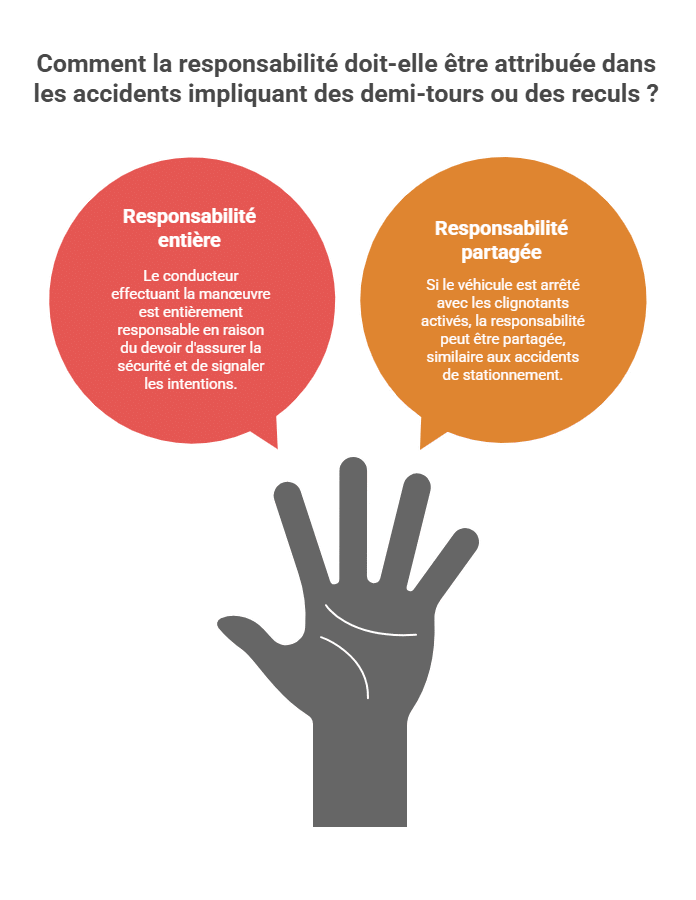
- Full responsibility (100%): When a vehicle is reversing or making a U-turn and causes an accident, responsibility is entirely attributed to the driver of that vehicle. This rule applies because it is the driver performing the maneuver’s duty to ensure it can be done without danger and by clearly signaling their intentions to other road users.
Collision Scenarios
- Collision during a U-turn: If vehicle Y makes a U-turn and is hit by vehicle X, Y will be held responsible for the accident.
- Collision during a reverse movement: Similarly, if Y reverses (for example, leaving a parking spot) and collides with X, Y will also be deemed responsible.
Exceptions and Complexities
Specific Cases
- Stopped vehicle: If the vehicle making the U-turn is stationary, with the turn indicator activated, waiting for the lane to clear, and a collision occurs at that moment, responsibilities could be shared (50% for each driver). This case is similar to Case 43, where a parked vehicle contributes to an accident.
The Role of the IRSA Scale
- Assistance in distributing claims between insurers: The IRSA scale does not determine the legal responsibility of drivers but helps insurers fairly and standardly allocate the costs of claims, based on the specific situation of the accident.


Conclusion
The Case 51 is essential to understanding how responsibilities are allocated when a vehicle performs a potentially risky maneuver such as a U-turn or reversing. By adhering to principles of prudence and adequate signaling, drivers can avoid severe penalties and accidents. For insurers, this case provides a clear framework for handling claims, thereby simplifying post-accident procedures.
📋 Conventions d'indemnisation

Entraîne-toi avec nos Quiz de révision
Fini les lectures passives. Pour retenir les notions clés du BTS Assurance, teste-toi ! Inscris-toi pour recevoir 1 quiz par jour directement dans ta boîte mail.


