


In summary
| Section 📝 | Details 📊 |
|---|---|
| Introduction 🌿 | Wood chippers are essential tools for garden maintenance and require occasional repairs. |
| Definition 🛠️ | Gas-powered wood chippers use a gasoline engine to shred garden waste into chips. |
| Operation ⚙️ | Operate with an internal combustion engine, using blades or hammers to mulch materials. |
| Advantages of Mobility 🚜 | Allow flexible use away from power sources, ideal for large green areas. |
| Freedom of Use 🌎 | Facilitate on-site shredding of waste, usable as mulch or compost, reducing physical effort. |
| Why a Gasoline Chipper? 🔥 | Offer high processing capacity and are suitable for various types of waste, with increased mobility. |
| Budget 💰 | Price ranges between €400 and €2,000 depending on technical specifications. |
| Environmental Benefits 🌱 | Reduce waste, decrease chemical fertilizer use, and promote a healthy ecosystem. |
| Safety 🔒 | Require PPE and thorough knowledge for safe operation. |
| Repair Costs 🛠️ | Costs range from €20 to €300 depending on the type of repair needed. |
| Conclusion 🌟 | A sustainable investment for efficient and eco-friendly gardening. |
Wood chippers are indispensable tools for effective garden maintenance, but like any equipment, they may require repairs. Understanding the costs associated with these repairs can help users plan ahead and keep their chipper in good working condition. Here is an overview of average repair costs for different types of interventions on a wood chipper.
What is a Gasoline Wood Chipper?
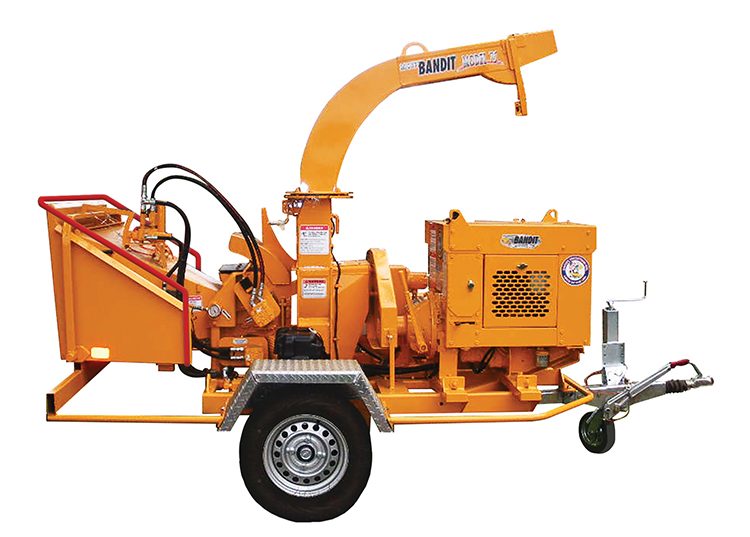
A gasoline wood chipper is essentially a powered tool used to reduce garden waste such as branches, leaves, and other organic materials into chips. This type of chipper is equipped with a gasoline engine, giving it greater autonomy and mobility compared to electric models that depend on a fixed power source.
Operation and Design
Gasoline chippers operate thanks to an internal combustion engine, often comparable to those used in small vehicles or gardening equipment like lawnmowers. This powerful engine allows the chipper to handle thick branches, turning hard and bulky waste into more manageable or compostable material. The shredding mechanism generally uses rotary blades or hammers that shred organic matter passing through a hopper, a sort of funnel where waste is introduced.
Advantages of Mobility
One of the main advantages of gasoline chippers is their ability to be used away from any power source. This makes them particularly useful for work in large gardens, parks, or rural areas where electricity access may be limited or unavailable. Their mobility allows users to easily transport them across the terrain, increasing efficiency in green space maintenance without worrying about cable length or outlet availability.
Freedom of Use
The freedom of use offered by a gasoline chipper also allows on-site management of vegetal waste. Instead of transporting cut branches and debris to a composting site or dump, they can be immediately shredded and reused in the garden as mulch or compost. This not only reduces physical effort needed to manage waste but also contributes to an ecological cycle by enriching the soil with organic materials that would otherwise be considered waste.
Why Choose a Gasoline Chipper?
Performance and Efficiency
Choosing a gasoline chipper means selecting a device capable of effectively handling large volumes of vegetal waste. These machines are designed to grind branches up to 120 mm in diameter, making them ideal not only for homeowners with large gardens but also for professional applications in landscaping and forestry.
High Processing Capacity
The powerful engine of a gasoline chipper allows for quick and efficient reduction of branches and vegetal waste, transforming what could be a logistical challenge into a simple, fast process. This capacity to handle large quantities quickly reduces waste management time, allowing users to focus on other gardening or landscaping tasks.
Suitable for Various Types of Waste
Unlike smaller or less powerful models, gasoline chippers can easily process a variety of materials, from hard branches to softer waste like leaves and plant residues. This versatility makes them extremely useful in diverse contexts where different types of vegetal waste must be handled efficiently.
Mobility and Flexibility
Gasoline chippers offer exceptional mobility, essential for outdoor work where electrical outlets are inaccessible. Thanks to sturdy wheels and options like towing, they can be moved effortlessly across different terrains, from residential gardens to parks and forested areas.
Ease of Transportation
Towing options allow gasoline chippers to be hitched behind a vehicle such as an quad or tractor, facilitating movement between different work sites. Whether for domestic or commercial use, this ease of transport greatly improves operational efficiency.
Ready for Use Anywhere
The autonomous nature of gasoline chippers enables them to operate in remote areas or sites without electrical infrastructure. They are therefore perfect for storm cleanup projects or the regular maintenance of large properties where electricity is not easily accessible.
What budget should be allocated?
| Engine Power | Cutting Capacity (max) | Additional Features | Price Range |
|---|---|---|---|
| 5 HP | 50 mm | Portable, Low emissions | €400 – €600 |
| 7 HP | 70 mm | Electric start, Wheels for transport | €600 – €800 |
| 10 HP | 85 mm | Anti-jamming system, Durable | €800 – €1,000 |
| 13 HP | 100 mm | Adjustable chute, Towing capability | €1,000 – €1,500 |
| 15 HP | 120 mm | Double cutting system, Large wheels | €1,500 – €2,000 |
Environmental Benefits of Gasoline Chipping
Waste Reduction
Using a gasoline chipper offers a significant solution to reduce the ecological footprint of gardening activities by lowering the amount of vegetal waste sent to landfills. The shredding process turns branches and leaves into a fine material that can be used directly in the garden.
Using Mulch as Ground Cover
The resulting mulch is especially useful as ground cover for flower beds and vegetable gardens. Covering the soil helps retain moisture, which benefits plants during dry periods and greatly reduces watering needs. Additionally, it helps stop weeds, saving time and effort in garden maintenance.
Reducing Trips to the Dump
By processing garden waste on-site, gasoline chippers decrease the need to transport materials to a landfill, minimizing vehicle use and associated emissions. This also reduces waste management expenses for households and landscaping companies.
Contribution to the Natural Cycle
Gasoline chippers play a crucial role in the garden’s natural cycle by converting waste into compost—a rich organic amendment that can enrich the soil. This composting process boosts soil health, improves structure, increases fertility, and fosters beneficial microbial activity.
Reducing Chemical Fertilizer Use
By providing nutrient-rich sources through compost and mulch, gasoline chippers reduce dependence on chemical fertilizers, which can be harmful to the environment. Using compost recycles nutrients naturally, strengthening plant resilience and supporting more sustainable, eco-friendly gardening.
Promoting a Healthy Garden Ecosystem
Ultimately, using a gasoline chipper encourages a holistic approach to gardening. It helps maintain a garden ecosystem balance by providing organic coverage that protects soil against erosion, improves water retention, and offers habitat for beneficial wildlife, such as helpful insects and earthworms.

Selecting and Safely Using a Gasoline Wood Chipper
Choosing the Right Model
Selecting the appropriate gasoline wood chipper is essential to ensure both effectiveness and safety. The following factors should be considered for an informed choice:
Engine Power
The engine power determines the chipper’s capacity to process various types of materials. For large gardens or professional use requiring thick, tough branches, a more powerful engine is necessary.
Cutting System
The cutting system directly influences the quality and speed of shredding. Systems generally vary between rotary blades, hammers, and rollers, each offering specific advantages regarding the type and size of waste to be processed.
Fuel Tank Capacity
A large fuel tank capacity allows for prolonged use without frequent refueling, which is especially useful for extensive work or remote areas.
Safety Practices
Using a gasoline wood chipper involves potential risks, making safety measures crucial:
Personal Protective Equipment (PPE)
Wearing appropriate protective equipment is essential to guard against debris projections, excessive noise, and other hazards associated with grinding. This includes:
- Gloves: Protect hands from cuts and scratches.
- Safety glasses: Protect eyes from flying particles.
- Ear protection: Reduces risk of hearing damage due to engine noise.
- Safety footwear: Provides protection against falling objects and improves stability on uneven ground.
Following Manufacturer Instructions
It is vital to read and follow manufacturer instructions for assembly, operation, and maintenance of the chipper. This includes guidelines for safe starting and stopping procedures, as well as regular maintenance routines to ensure proper functioning.
Training and Knowledge
Ensure all operators are properly trained and informed of safe operating practices. A clear understanding of how the machine works and how to handle emergency situations is essential to prevent accidents.
What budget should be allocated for repairs?
| Type of Repair | Average Repair Cost |
|---|---|
| Replacement of blades or knives | €50 – €150 |
| Starter system repair | €40 – €100 |
| Carburetor replacement | €60 – €120 |
| Engine service (general maintenance) | €70 – €200 |
| Transmission repair or replacement | €100 – €300 |
| Bearings replacement | €30 – €70 |
| Tire or wheel replacement | €20 – €60 per wheel |
| Discharge chute repair | €50 – €120 |
Conclusion: A Sustainable Investment for the Garden
Investing in a gasoline wood chipper is a wise decision for those seeking an efficient and eco-friendly solution to manage garden waste. Not only will you reduce your environmental impact, but you’ll also benefit from a healthier, less resource-intensive garden.


To learn more

Entraîne-toi avec nos Quiz de révision
Fini les lectures passives. Pour retenir les notions clés du BTS Assurance, teste-toi ! Inscris-toi pour recevoir 1 quiz par jour directement dans ta boîte mail.


