


Water Tank from Cuve-Expert & Incompatibility Issue Between Water Softeners and Water Heaters


In Summary
| Section | Details |
|---|---|
| 💧 Introduction | The use of water softeners is common for combating issues related to hard water, particularly the formation of scale. However, this solution can sometimes pose challenges when combined with the use of water heaters. |
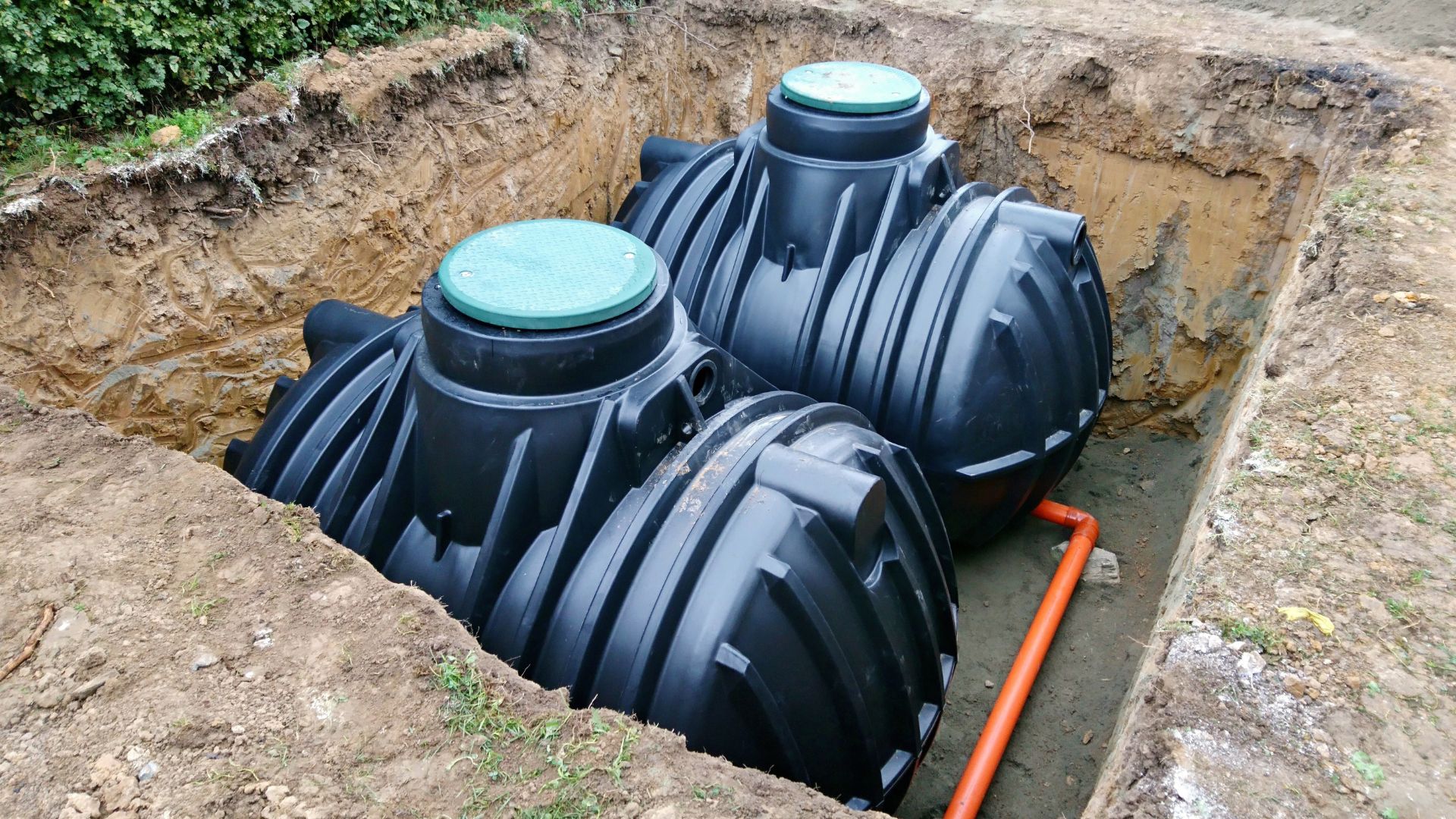
| 🛢️ Water Tank Cuve-Expert | The water tank from Cuve-Expert is designed with high-quality materials, suitable for both domestic and industrial use. It is available in several sizes and stands out for its ease of installation and minimal maintenance requirements. |
| 💰 Price of Cuve-Expert Water Tanks | Cuve-Expert offers a wide range of water tanks, from small overhead tanks to large underground cisterns, with prices ranging from €558.90 for a 500L tank to €6,800.40 for an underground tank with riser and filter. |
| 🔄 How Water Softeners Work | Water softeners reduce mineral content such as calcium and magnesium through ion exchange, transforming hard water into soft water and preventing scale buildup. This extends the lifespan of household appliances and improves water quality for daily consumption and use. |
| ⚠️ Implications for Water Heaters | The use of water softeners can complicate the functionality of water heaters, especially those with copper or steel components, increasing the risk of corrosion due to increased electrical conductivity of softened water. Risk management includes maintaining a minimum hardness level and regularly checking sacrificial anodes. |
| 🔧 Compatibility Issues with Water Heaters | The main challenges regarding compatibility are the risks of corrosion and adjustment issues of water softeners. Poor settings can lower hardness below recommended levels, accelerating corrosion of metal components in the water heater. |
| 🛠️ Solutions and Best Practices | To ensure optimal operation, it is crucial to properly set the softener, monitor and regularly maintain the system, and consult professionals for periodic inspections. Owners can also use test kits to monitor water hardness and adjust the softener settings as needed. |
| 💸 Maintenance and Repair Budget | Costs for maintenance and repairs range from €80 for basic services to €350 for more complex interventions such as solar water heater repairs. Services include inspection, cleaning, adjustments, and replacement of worn components. |
Using water softeners is common for combating hard water problems, including scale formation. However, this solution can sometimes pose challenges when combined with water heaters. This article explores potential incompatibilities between these two systems and offers solutions for effective management.
Water Tank from Cuve-Expert
The water tank from Cuve-Expert is an optimal solution for collecting and storing water, suitable for both domestic use and industrial applications. Made with high-quality materials that guarantee durability and weather resistance, this tank is available in various sizes to meet different capacity needs. Cuve-Expert products stand out for their ease of installation and minimal maintenance, making them an economical and eco-friendly choice for water management. Whether for rainwater harvesting, agricultural irrigation, or emergency reserves, each tank is designed for perfect sealing and long-term structural integrity. Customers also benefit from expert technical support and responsive customer service, ensuring complete satisfaction for all water management needs.
What are the prices of Cuve-Expert Water Tanks?

Understanding How Water Softeners Work
Water softeners play a crucial role in managing water quality in households, especially in areas where hard water predominates. Their main function is to reduce mineral content such as calcium and magnesium, which are the primary causes of scale. However, to fully understand their impact, it is essential to delve into their operation details and potential implications for water heaters.
Operating Principle
A water softener operates on the principle of ion exchange. It contains ion-exchange resins that retain calcium and magnesium ions present in the water. In exchange, these resins release sodium ions, which are less likely to form scale. This process transforms hard water into soft water, reducing the risk of lime deposits in pipes and on heating elements of appliances.
Advantages of Softening
Water softening offers several benefits. Firstly, it prolongs the lifespan of household appliances by preventing scale buildup, which can damage them or decrease their efficiency. Secondly, it contributes to better water quality for daily consumption and use, reducing hardness that can irritate the skin and damage laundry during washing.
Implications for Water Heaters
Although beneficial for most domestic applications, the use of water softeners can become problematic when combined with water heaters, especially those with metallic components sensitive to corrosion. The sodium introduced into water through the softening process can indeed increase water’s electrical conductivity, potentially accelerating galvanic corrosion.
The galvanic corrosion occurs when two different metals (such as copper in resistors and steel in a tank) are present in an electrolytic solution, in this case, softened water. The increased presence of sodium makes the water a better electrical conductor, which can potentially increase corrosion rates if protections such as sacrificial anodes are not regularly checked and replaced.
Risk Management
To minimize risks associated with the joint use of water softeners and water heaters, it is recommended to regularly monitor and adjust the softener settings. Maintaining a minimal hardness level, typically around 8°f, can help protect water heaters from corrosion without sacrificing the benefits of softened water. Additionally, special attention should be paid to the maintenance of water heaters, including periodic checks and replacements of sacrificial anodes, which are essential to counteract the corrosive effects of soft water.
What Budget Should Be Considered?
| Category | Model | Capacity | Main Features | Estimated Price |
|---|---|---|---|---|
| Water Softener | Softener A | 20 L | Volumetric regeneration, automatic control | €800 |
| Water Softener | Softener B | 30 L | LCD screen, regeneration by timer | €1,000 |
| Electric Water Heater | Heater C | 50 L | Stoneware resistance, corrosion protection | €300 |
| Electric Water Heater | Heater D | 100 L | Titanium anode, adjustable thermostat | €450 |
| Gas Water Heater | Heater E | 150 L | Electronic ignition, energy-saving | €650 |
| Solar Water Heater | Heater F | 200 L | Integrated solar panels, eco-friendly | €1,200 |
Compatibility Issues with Water Heaters
While water softeners are beneficial for reducing water hardness, they can present certain challenges regarding their interaction with water heaters. The following is a detailed exploration of the main compatibility issues that can arise, particularly corrosion risks and adjustment problems with the softener.
Corrosion Risks
Corrosion of water heaters caused by softened water is a significant technical issue that can greatly affect the longevity and operation of these devices. Excessively softened water, loaded with sodium after ion exchange, can become corrosive, especially for metallic materials such as copper or steel.
Impact on Metal Components
Components made of copper and steel are particularly vulnerable in environments where water is very soft. The chemical interaction between sodium and metals can accelerate the degradation of internal parts of the water heater, including resistors and tanks. This is even more problematic if sacrificial anodes, designed to protect the water heater against corrosion, are not regularly checked and replaced.
Consequences
Corrosion can lead to leaks, reduced thermal efficiency, and ultimately premature replacement of the water heater. The reduced lifespan of these appliances results not only in additional costs for users but also in reliability and safety issues.
Adjustment Problems
Water softeners must be properly configured to balance the benefits of softened water with preventing it from becoming excessively soft. Poor settings can therefore negate the benefits of water softening and cause long-term structural damage to the water heater.
Importance of Proper Settings
The ideal setting of the softener should maintain a minimal water hardness level, generally recommended between 8°f and 15°f. This range minimizes the risk of corrosion while preventing excessive scale formation. A poorly adjusted softener can reduce hardness below this threshold, increasing the risk of accelerated corrosion.
Managing the Settings
It is essential to consult the manufacturer’s recommendations regularly and adjust the parameters based on water conditions and usage. Periodic testing of water hardness at the softener outlet can help detect any discrepancies requiring system adjustment.
Solutions and Best Practices
To ensure harmonious operation between water softeners and water heaters, it is essential to follow certain recommended practices to optimize settings and ensure effective maintenance. Here are key strategies to avoid common issues such as corrosion and premature failures.
Optimal Softener Settings
Proper adjustment of the softener is fundamental to maintaining a balance between preventing scale and protecting against corrosion.
Determining the Ideal Hardness Level
The recommended residual hardness level of water after treatment by the softener should be between 8°f and 15°f. This range is considered optimal for most water heaters, preventing excessive lime deposits while minimizing the risk of corrosion of internal components.
Adjustment Based on Specifications
It is important to set the softener according to the specifications provided by the water heater and softener manufacturers. Each model may have slightly different requirements that must be considered for effective protection and operation efficiency.
Monitoring and Maintenance
Regular monitoring and proper maintenance are crucial for preserving the longevity and efficiency of your hot water system.
Periodic Inspections
Schedule regular checks of water hardness at the softener outlet to ensure settings remain within the ideal range. It is also important to check the condition of the water heater, including sacrificial anodes and internal components, for signs of degradation or corrosion.
Professional Maintenance
Consult a qualified professional at least once a year for an in-depth examination of the softener and water heater. A technician can make necessary adjustments, replace worn parts, and ensure systems operate in a best possible manner.
What Budget Should Be Budgeted?
| Service Type | Service Description | Estimated Price |
|---|---|---|
| Water softener maintenance | Resin inspection and cleaning | €100 – €150 |
| Water softener repair | Control valve replacement | €150 – €250 |
| Electric water heater maintenance | Sacrificial anode check and replacement | €80 – €120 |
| Electric water heater repair | Resistor or thermostat replacement | €100 – €200 |
| Gas water heater maintenance | Burner cleaning and safety checks | €120 – €180 |
| Gas water heater repair | Gas valve or pilot repair | €150 – €300 |
| Solar water heater maintenance | Cleaning and solar panel checks | €100 – €200 |
| Solar water heater repair | Circulator repair or replacement | €200 – €350 |
Self-Monitoring
Owners can also use water hardness test kits to regularly monitor their levels. This practice can help quickly detect any issues before they cause significant damage.


Entraîne-toi avec nos Quiz de révision
Fini les lectures passives. Pour retenir les notions clés du BTS Assurance, teste-toi ! Inscris-toi pour recevoir 1 quiz par jour directement dans ta boîte mail.


