


Insurance Education UK » Property Insurance » Assurance for Motorhome and Heavy Vehicle: Complete Guide for Optimal Protection
Assurance for Motorhome and Heavy Vehicle: Complete Guide for Optimal Protection


Summary
| Section | Details |
|---|---|
| 🚚 What Is a Heavy Duty Motorhome? | Heavy duty motorhomes are recreational vehicles with a maximum authorized weight (PTAC) exceeding 3.5 tons, requiring special licenses (C or C1) and offering more space and comfort for long journeys. |
| 📋 Classification Criteria | The PTAC indicates the maximum weight a vehicle can legally reach, determining its classification as a heavy vehicle. |
| 🚦 Driving License Requirements | A C or C1 license is required to drive vehicles over 3.5 tons. These licenses require specific training and rigorous testing. |
| 🛠️ Training and Qualification | Drivers must undergo comprehensive training covering specific driving skills and heavy vehicle handling. |
| 🔍 Comparison Between B2 and C1 Licenses | A detailed comparison of licenses based on vehicle type, transport capacity, usage, and training requirements. |
| ⚖️ Legal and Safety Considerations | Driving a heavy duty motorhome involves specific regulations regarding speed, parking, and tolls due to their large size. |
| 💰 Impact on Insurance | Insurance for heavy duty motorhomes is generally more expensive than for standard motorhomes due to increased risks. |
| 🤔 Why Subscribe to a Specific Insurance? | Heavy duty motorhomes require specialized insurance to cover risks associated with their size and value. |
| 📊 Average Price of Heavy Duty Motorhome Insurance | Details of available insurance plans, included coverages, and estimated prices. |
| ✅ Choosing Insurance: What to Consider? | Importance of evaluating coverage options, comparing offers, and requesting multiple quotes to select the most suitable insurance. |
When you own a heavy duty motorhome, it is essential to understand the specific insurance requirements for this type of vehicle. With dimensions and requirements larger than those of standard motorhomes, heavy duty motorhomes need insurance that specifically covers their exceptional nature. This article will guide you through the essential insurance options to ensure your travel remains safe and hassle-free.
What Is a Heavy Duty Motorhome?
A heavy duty motorhome is a recreational vehicle that, due to its gross authorized weight (PTAC) exceeding 3.5 tons, is classified as a heavy vehicle. These vehicles are designed to offer more space and comfort, making them ideal for long trips or extended stays. However, this increased capacity has specific implications for driving and insurance.
Classification Criteria
The PTAC is a measure indicating the maximum weight a vehicle can legally reach when all passengers, fuel, and luggage are included. For a motorhome, this also includes all built-in installations such as furniture, kitchen equipment, and water. Once this weight exceeds 3.5 tons, the vehicle is automatically classified as a heavy vehicle, which entails specific regulations concerning its driving and parking.
Driving License Requirements
Driving a heavy duty motorhome is not as simple as driving a standard motorhome. Drivers must hold a C license, which is the European driving license for heavy vehicles. This license allows driving vehicles with a PTAC exceeding 3.5 tons but under 32 tons. For vehicles under 7.5 tons, a C1 license may be sufficient, which is often the case for small models of heavy duty motorhomes.
Training and Qualification
To obtain a C or C1 license, the candidate must undergo thorough training covering not only driving skills but also managing the size and weight of the vehicle. This training also includes understanding advanced braking systems and special techniques for maneuvering large vehicles safely. Rigorous theoretical and practical tests must be passed to ensure the driver can handle such a large vehicle.
Comparison Between B2 and C1 Licenses
| Criterion | License B | License C |
|---|---|---|
| Vehicle Type | Passenger cars and light utility vehicles | Vehicles from 3.5 to 7.5 tons PTAC |
| Transport Capacity | Up to 8 passengers + driver | Up to 8 passengers + driver, suitable for small trucks and motorhomes |
| Usage | Personal, family, and small business driving | Light professional driving, heavy motorhomes, ambulances |
| Required Training | Basic training for car drivers | Specific training including aspects of driving larger and heavier vehicles |
| Exam | Standard theoretical and practical test | More detailed theoretical test and practical exam including handling larger vehicles |
| Restrictions | Limited to vehicles up to 3.5 tons | Limited to vehicles up to 7.5 tons, trailer up to 750 kg included |
| Extension Possible | Possibility to add categories for trailers and other small vehicles | Possibility to extend to higher categories for heavy vehicles |
| Renewal | Every 15 years without medical exam (depending on local regulations) | Every 5 years with medical exam for professional drivers |
Legal and Safety Considerations
Driving a heavy duty motorhome also involves additional legal and safety considerations. For example, speed limits, parking rules, and tolls may differ from lighter vehicles. Due to their mass, these motorhomes require more space to stop and more skill to navigate narrow spaces or winding roads.
Impact on Insurance
Insurance for a heavy duty motorhome is often more expensive than for a standard motorhome because of the increased risks associated with driving and replacing such vehicles. Insurers may also require regular vehicle checks to ensure it remains in good condition and complies with safety standards.
Comparison Between Classic and Heavy Duty Motorhomes
| Criteria | Standard Motorhome | Heavy Duty Motorhome |
|---|---|---|
| Weight | Less than 3.5 tons | More than 3.5 tons |
| Required License | License B | Licenses C or C1 |
| Usage | Short trips, occasional use | Long trips, frequent use |
| Insurance Cost | Generally less expensive | Generally more expensive |
| Coverage Type | Liability, limited options | Liability, extended options |
| Covered Risks | Minor damages, simple accidents | Major damages, increased risks |
| Insurance Options | Glass breakage, theft, basic assistance | Glass breakage, theft, extended assistance, comprehensive coverage |
| Estimated Price | €500 to €1,000 annually | €800 to €2,000 annually |
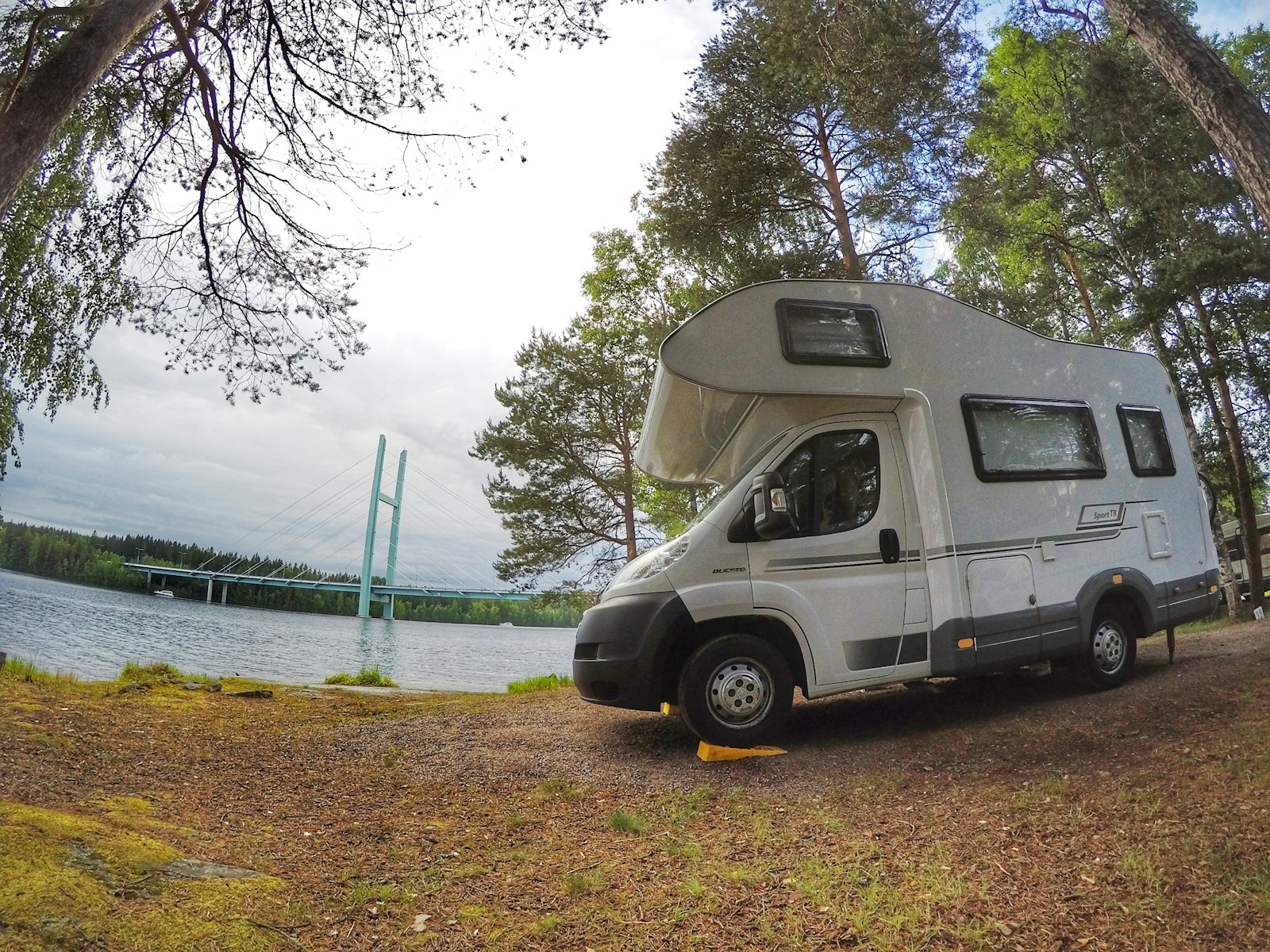
Why Subscribe to a Specific Insurance for Your Heavy Duty Motorhome?
Owning a heavy duty motorhome entails unique challenges in management and responsibility. Subscribing to specific insurance for these types of vehicles is not only a legal obligation but a practical necessity to protect your investment and ensure everyone’s safety. Here’s why tailored insurance is essential for heavy duty motorhome owners.
Protection Adapted to Large Dimensions
Heavy duty motorhomes, due to their size and complexity, are intrinsically more vulnerable to damages and more capable of causing them in case of an accident. Their broad and long structure makes them susceptible to significant damage during tight maneuvers or collisions. Similarly, their hefty mass increases the potential for serious damages to other vehicles or infrastructure in case of an incident.
Advantages of Specific Insurance
- Tailored coverage: Dedicated insurance for heavy duty motorhomes is designed to manage the specific challenges posed by these vehicles, including significant structural damages and costly repairs.
- Financial protection: Due to their high value, repairs or replacements can be substantially costly. Appropriate insurance helps cover these expenses without compromising your personal finances.
Extended Civil Liability
A key aspect of insurance for heavy duty motorhomes is coverage of civil liability. Given the size and weight of these vehicles, they can cause considerable damages to other cars, properties, and even serious injuries to individuals in case of an accident.
Importance of Civil Liability
- Legal protection: This insurance protects you against potential claims for damages caused by your vehicle during an accident. Without it, you could be personally responsible for covering all costs involved.
- Essential coverage: Besides covering damages you might cause, civil liability helps cover legal expenses related to disputes arising from an accident.
Average Price of Heavy Duty Motorhome Insurance
| Insurance Plan | Included Coverage | Estimated Annual Price |
|---|---|---|
| Basic | Liability only | €800 |
| Intermediate | Liability, Glass Breakage, Theft | €1,200 |
| Complete | Liability, Glass Breakage, Theft, Assistance, Full Coverage | €1,500 |
| Premium | All risks, 0 km Assistance, Personal Effects, New for Old | €2,000 |
Choosing Insurance: What to Consider?
When selecting insurance for your heavy duty motorhome, it is crucial to consider several factors to ensure comprehensive and appropriate coverage for your specific needs. Here are the key aspects to evaluate when choosing your insurance.
Coverage Options Assessment
Choosing the right insurance for your heavy duty motorhome involves a detailed assessment of various coverages offered by insurers. Here are some important guarantees to consider:
Liability
Liability is fundamental and mandatory for any motorized vehicle. It covers damages your motorhome could cause to third parties in case of an accident. This coverage does not protect your vehicle from damages but shields you against financial claims resulting from damages caused to others or their property.
Glass Breakage
Glass breakage insurance covers repair or replacement costs for the windows of the motorhome. This option is especially important given the size and amount of glazing on a heavy duty motorhome, which can lead to high costs in case of damage.
Theft and Assistance
Theft coverage is crucial, especially if you store valuable belongings in your motorhome during travels. Likewise, roadside assistance is essential to avoid being immobilized far from home without help. This assistance may include towing, on-site repairs, and even a replacement vehicle.
Comparison and Quotes
Using an online insurance comparator is an effective way to quickly and easily evaluate the different offers available on the market. Here’s how to maximize these tools:
Using Online Comparators
Online comparators allow you to enter your details and needs once and receive multiple quotes from different insurers. This helps you see clearly what options each insurer offers and at what price.
Request Multiple Quotes
It’s advisable to request quotes from several insurance companies. This gives you a better idea of market rates and different coverage options. Be sure to compare the following elements:
- Annual or monthly premiums
- Details of offered coverages
- Deductibles applicable in case of claim
- Policy exclusions
Conclusion
Insurance for a heavy duty motorhome is a vital protection measure for anyone owning this type of vehicle. With adequate options and a clear understanding of coverage needs, you can travel with peace of mind, knowing that you, your vehicle, and third parties are well protected. For added security, make sure to review your policy regularly to adapt it to new legislation or changes in your situation.


For further information

Kevin Grillot
BTS Insurance graduate, I have been helping students prepare for and pass their exams since 2019. This site brings together all my courses, study guides and tools.
View my full profileEntraîne-toi avec nos Quiz de révision
Fini les lectures passives. Pour retenir les notions clés du BTS Assurance, teste-toi ! Inscris-toi pour recevoir 1 quiz par jour directement dans ta boîte mail.
Je reçois mes 14 quiz 👇
Des révisions dans ton feed 📱
Abonne-toi pour ne rater aucune astuce et réviser tes cours directement sur ton téléphone.


