



The landscape of French higher education is constantly evolving, and universities are transforming to meet the challenges of a rapidly changing academic and professional world. In 2025, choosing a university will be a crucial decision for future students in a context where academic excellence, professional integration, and international dimension will be key criteria.
In the face of this evolving university landscape, future students need to be well-informed in order to make an informed choice among the many available options. The application process for French universities has also become more complex thanks to the Parcoursup platform and the increased selectivity of highly sought-after programs.
Just as we seek reliable benchmarks in the academic world, some digital sectors also require trustworthy guides. This is especially true in the online gaming universe, where users can explore the main keys once on free slot machines, a reference site for testing free slot machines safely.


The French University System: Structure, Admission, and Academic Excellence
The French higher education system is characterized by its diversity and complexity, with public universities coexisting alongside Grandes Écoles and specialized institutes. In recent years, French universities have undergone profound transformations, notably through a policy of clustering that has led to the creation of internationally renowned hubs of excellence. Admission to French universities in 2025 will continue mainly via the Parcoursup platform at the bachelor’s level, while master’s admissions will generally be based on application review and sometimes interviews. In this article, we have selected for you the top French universities:
- University Paris-Saclay
- Sorbonne University
- PSL – Paris Sciences et Lettres
- University of Strasbourg
- Lyon Universities
University Paris-Saclay: Scientific Excellence and Innovation
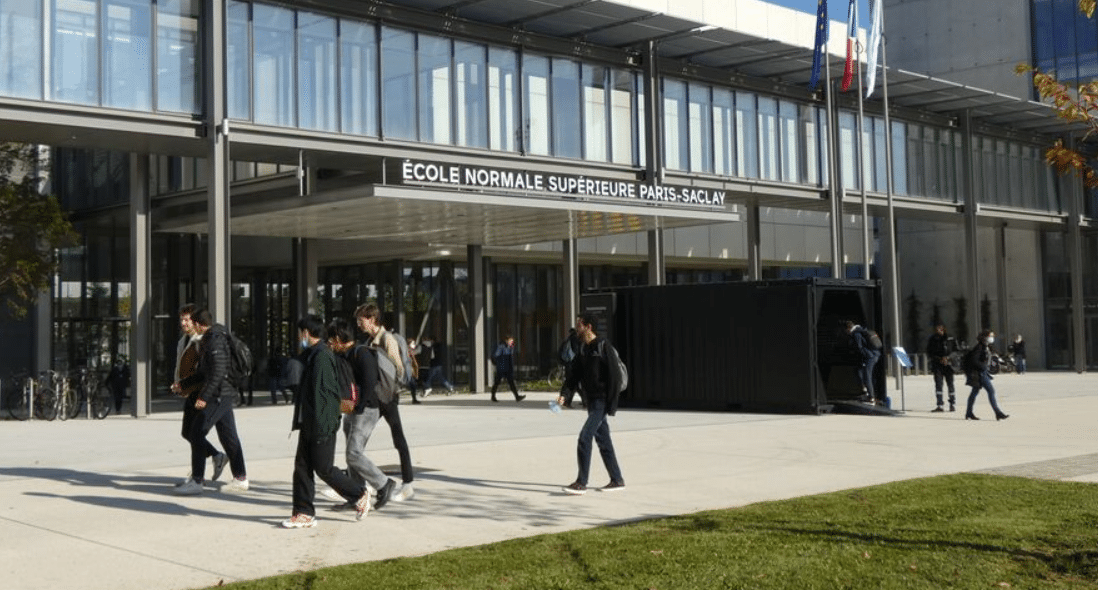
Paris-Saclay University has established itself as the top French university in numerous international rankings, representing the culmination of an ambitious strategy of clustering excellence institutions. This research-intensive university, created in 2020, brings together prestigious institutions like CentraleSupélec, ENS Paris-Saclay, and AgroParisTech, forming a globally renowned scientific cluster. In the 2024 Shanghai ranking, this university ranked 13th worldwide, a historic achievement for a French institution.
The strengths of this university lie in its exceptional research potential with over 300 laboratories and close partnerships with industry, particularly within the Saclay plateau, often called the “French Silicon Valley.” For students interested in fundamental and applied sciences, this university offers a stimulating academic environment with cutting-edge facilities and a faculty of international renown.
Sorbonne University: Tradition and Academic Prestige

Sorbonne University embodies the perfect blend of tradition and modernity in the landscape of French universities. Born from the 2018 merger of Paris-Sorbonne (Paris IV) and Pierre and Marie Curie University (Paris VI), this institution, heir to a centuries-old legacy, is among the most prestigious universities in Europe. Its strength lies in its exceptional multidisciplinary approach, covering literature, sciences, and medicine at the highest level.
The privileged location of this university in the heart of the Latin Quarter of Paris is a major asset for students, who benefit from an unparalleled cultural environment and historic libraries. Programs in classical literature, philosophy, history, and languages at Sorbonne University enjoy an excellence reputation, as do its scientific programs in mathematics, physics, and life sciences.
PSL – Paris Sciences and Letters: Interdisciplinary Elite
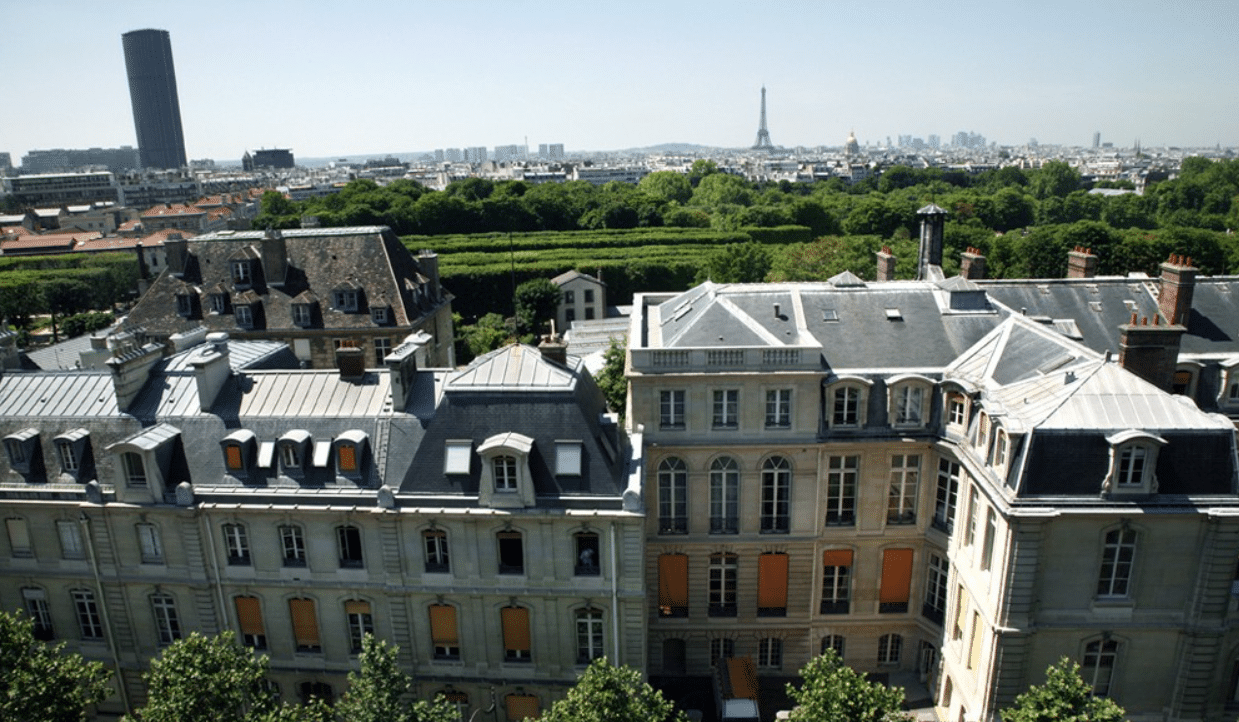
PSL University (Paris Sciences & Lettres) represents an innovative model within the landscape of French universities, grouping elite institutions such as École Normale Supérieure, Université Paris-Dauphine, Mines Paris, Collège de France, and ESPCI. This research-intensive university, created in 2010 and fully operational since 2019, has quickly established itself in international rankings, reaching the top 40 worldwide.
The pedagogical model of this university emphasizes academic excellence and interdisciplinarity, with a particularly favorable teacher-student ratio. PSL also stands out for its exceptional employment rate, with graduates highly sought after in both public and private sectors, in France and internationally. Admission to PSL remains extremely competitive, with some of its schools, such as ENS, among the most selective institutions in France.
University of Strasbourg: European Reach

The University of Strasbourg positions itself as one of the most dynamic and international universities in France, benefiting from a strategic location in the heart of Europe. Born from the merger of three institutions in 2009, this multidisciplinary university ranks among the largest in France with over 50,000 students. Its distinctive feature among French universities is its strong European and cross-border dimension.
The excellence of this university is particularly evident in the fields of life sciences, chemistry, and European studies. The University of Strasbourg can pride itself on an exceptional scientific heritage, with no less than 19 Nobel laureates associated with its history, including Jean-Pierre Sauvage (Chemistry) in 2016. For students attracted to a multicultural and multilingual environment, this university offers an ideal setting with over 20% international students.
Lyon Universities: Regional Strength and Complementarity

The Lyon university cluster is one of the most dynamic higher education ecosystems in France, comprising three complementary universities – Lyon 1 Claude Bernard, Lyon 2 Lumière, and Lyon 3 Jean Moulin – which together form a comprehensive academic offering. Lyon 1 has established itself as one of the top scientific universities in France, particularly recognized in health, exact sciences, and STAPS.
The Lyon metropolitan area offers a particularly favorable environment for higher studies, combining economic vitality, cultural richness, and quality of life, which is a major asset for these universities. The University of Lyon project, aimed at strengthening cooperation among these institutions and other major regional schools, demonstrates an ambition to elevate this academic hub to the level of major European universities.
Pas le temps de ficher tout le programme ?
Découvre l'E-book de révision avec 100% des cours de 1ère et 2ème année synthétisés. L'outil indispensable, créé par un diplômé, pour valider ton BTS sans stress.
Découvrir l'E-bookConclusion
The landscape of French universities for 2025 demonstrates a remarkable evolution toward excellence and internationalization. Paris-Saclay, Sorbonne University, PSL, Strasbourg, and Lyon universities each exemplify in their own way the renewal of French higher education. These universities have successfully built on their historical strengths while reinventing themselves to meet the contemporary challenges of globalization and new market expectations.


FAQ
What is the best university in France in 2025?
There is no single “best” French university, as it depends on the field of study. For science and engineering, Paris-Saclay dominates international rankings. In literature, humanities, and medicine, Sorbonne University excels. PSL stands out for its elitist multidisciplinary approach. The choice of the best university should primarily align with your study project and professional aspirations.
How does the admission system work in French universities?
Admission to bachelor’s programs in French universities is primarily through the Parcoursup platform, where high school graduates submit their wishes between January and March. Selection varies depending on the programs: some remain less selective, while others apply strict criteria based on grades and candidate profiles. For master’s programs, admission is based on application files, often complemented by interviews.
Are French universities accessible to international students?
French universities warmly welcome international students, with specific procedures depending on your country of origin. For non-Europeans, the “Studies in France” process applies in many countries. Registration fees remain modest compared to Anglo-Saxon countries, although differential fees have been introduced for non-Europeans at some universities. Many programs are now offered in English, particularly at the master’s level.
Entraîne-toi avec nos Quiz de révision
Fini les lectures passives. Pour retenir les notions clés du BTS Assurance, teste-toi ! Inscris-toi pour recevoir 1 quiz par jour directement dans ta boîte mail.

