


In Summary
| Section | Details |
|---|---|
| Usefulness of Blue Light Blocking Glasses | – Reduces visual fatigue caused by intense screen light. – Improves sleep quality by blocking blue light that disrupts melatonin production. – Prevents long-term eye damage. – Increases overall comfort and productivity when using digital devices. |
| Reimbursement by Social Security | – Corrective glasses with blue light filter treatment are reimbursable, but the blue light filter treatment itself is not covered, as it is considered an additional comfort. |
| Mutual Insurance Coverage | – Coverage for blue light filter treatment varies depending on mutual insurance providers. Some may offer reimbursement for this treatment, recognizing its usefulness. It is essential to check the specific terms of the contract. |
| Blue Light Blocking Glasses Without Correction | – No reimbursement by Social Security or mutual insurances because they are viewed as comfort items. |
| Options and Alternatives | – Purchase from specialized suppliers or use software that reduces the blue light emission of devices. |
| Practical Tips | – Check options and costs with your optician.
– Consult your mutual insurance for reimbursement possibilities. – Compare prices to find the best offers. – Use software or apps to reduce blue light or adjust your device settings. – Remember to take regular breaks to rest your eyes. |
The blue light glasses have become an essential accessory for many, especially for those who spend long hours in front of computer, tablet, or smartphone screens. However, when it comes to their reimbursement, the situation can become complex. This article will detail the reimbursement conditions for these specific glasses, both with and without correction.
Blue Light Blocking Glasses: What Are They For?
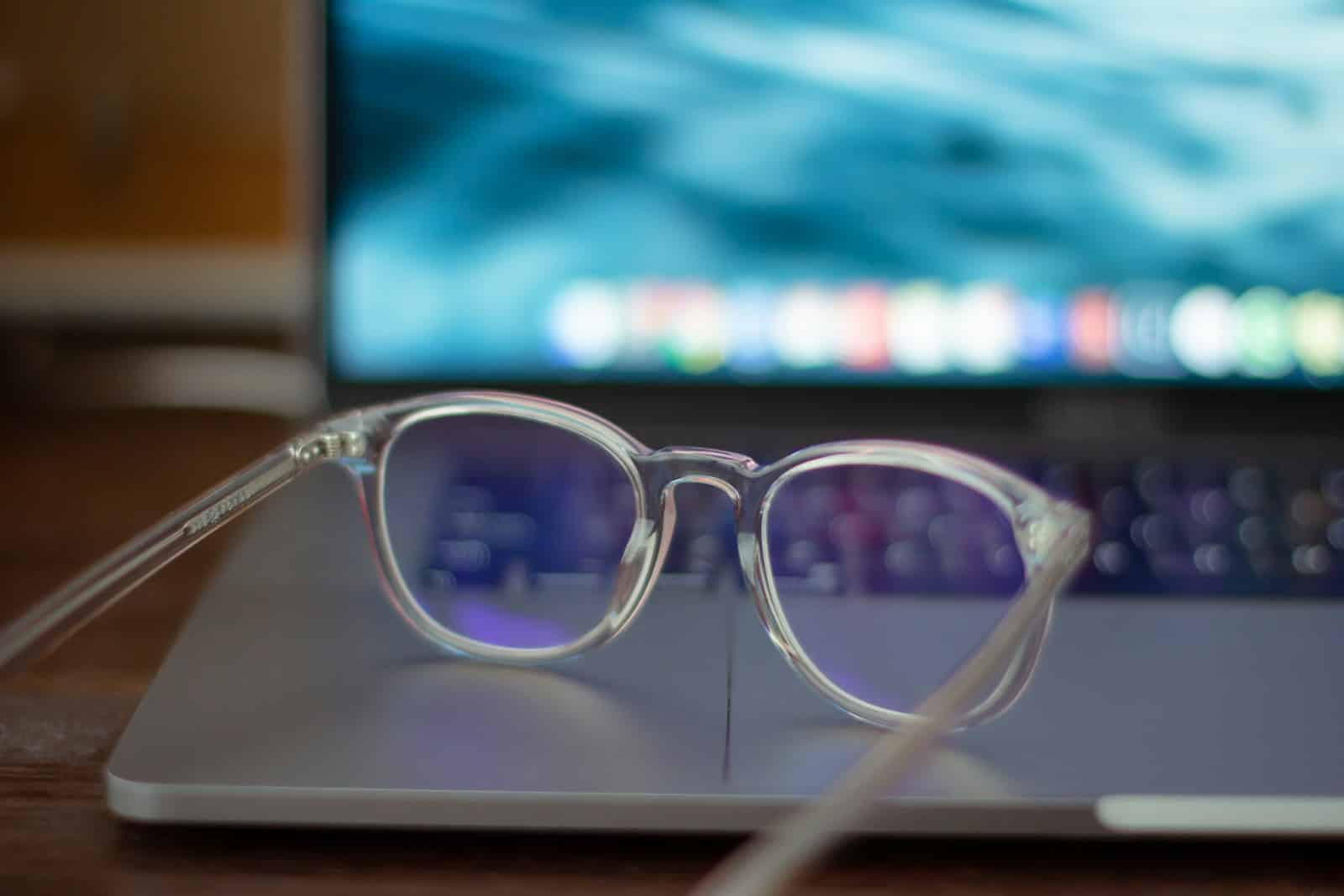
Blue light blocking glasses play a crucial role for those who spend many hours in front of screens. By filtering blue light, these glasses contribute to several essential aspects of visual health and overall well-being.
Reduction of Visual Fatigue
Digital screens, such as those of computers, tablets, and smartphones, emit a significant amount of blue light. This light can be particularly intense and tiring for the eyes, especially after prolonged exposure. Symptoms of visual fatigue include dry eyes, a burning or tingling sensation in the eyes, and difficulty maintaining clear vision. Blue light filtering glasses reduce exposure of the eyes to this light, thereby minimizing these symptoms and allowing for more comfortable use of digital devices.
Improvement of Sleep Quality
Blue light has a significant impact on our circadian rhythm, which regulates the sleep-wake cycle. Exposure to blue light, especially in the evening, can inhibit melatonin production, the hormone that promotes sleep. By blocking this light, blue light filtering glasses can help preserve natural melatonin production, facilitating faster sleep onset and better sleep.
Prevention of Long-Term Damage
There are growing concerns among visual health professionals that prolonged exposure to blue light may contribute to more serious eye problems, such as age-related macular degeneration. Although research is ongoing to establish a definitive link, using blue light filtering glasses is often recommended as a preventive measure to reduce the potential risk of such damages.
Overall Comfort and Productivity
In addition to health benefits, blue light filtering glasses can also improve overall comfort when using digital devices, which can lead to increased productivity. Clearer vision and less distraction from fatigue enable more effective work and enhanced visual comfort during long sessions in front of a screen.
Reimbursement by Social Security
When it comes to corrective glasses equipped with blue light filter treatment, reimbursement by Social Security in France has specificities. While corrective glasses are covered under the coordinated healthcare pathway, the blue light filter treatment itself is handled differently.
Coverage of Corrective Glasses
Social Security offers reimbursement for corrective glasses, including the frame and lenses, provided they are prescribed by a healthcare professional and purchased from an authorized optician. This reimbursement is based on flat rates established by Social Security and can be supplemented by health mutual insurances depending on the coverage level subscribed by the insured.
Blue Light Filter Treatment: Additional Comfort
However, the blue light filter treatment is not considered a medical necessity by Social Security. It is classified as a additional comfort. This means that expenses related to this type of treatment are generally not covered by Social Security. The treatment is often seen as an option to improve user comfort in front of screens but without concrete medical evidence justifying reimbursement.
Implications for Insured Individuals
For those who choose to add a blue light filter treatment to their corrective glasses, this typically involves additional costs. This cost can vary depending on the optician and the specific treatment requested. Some opticians offer package deals that include the treatment, but it remains essential for consumers to inquire about extra costs before making a decision.
Practical Tips
- Check with your optician: Clearly ask about options and costs for the blue light filter treatment when purchasing corrective glasses.
- Consult your mutual: Some mutual insurances may offer partial reimbursement for treatments not covered by Social Security, so it is wise to verify if your policy includes such options.
- Compare prices: It is always beneficial to compare prices among different opticians to find the best deal for glasses with blue light filter treatment.
Components and Their Reimbursements
| Component | Social Security Reimbursement | Details |
|---|---|---|
| Frame (adults) | 60% of €2.84 | Equivalent to a reimbursement of €1.70 |
| Simple lenses (adults) | 60% of €2.29 to €24.54 | Reimbursement varies depending on correction complexity |
| Frame (children) | 60% of €30.49 | Equivalent to a reimbursement of €18.29 |
| Simple lenses (children) | 60% of €12.04 to €66.62 | Reimbursement varies depending on correction complexity |
| Blue light filter treatment | Not covered | Considered an additional comfort |
Coverage by Mutual Insurances
Coverage for blue light filter glasses by mutual insurances varies greatly depending on the contracts subscribed by each insured individual. While Social Security does not reimburse for the blue light filter treatment considered as an additional comfort, some mutual insurances may offer reimbursement for this type of treatment, recognizing its usefulness for people exposed for extended periods to screens.
Understanding Mutual Insurance Contracts
Health mutual insurances in France offer various coverage levels, which may include reimbursements for specific treatments not covered by Social Security. For glasses, this often includes options such as anti-scratch coatings, anti-reflective coatings, and sometimes the blue light filter treatment.
Blue Light Filter Treatment and Reimbursement
- Contract review: It is crucial to carefully read your mutual insurance contract details to understand what benefits are covered. Some mutual insurances explicitly list the blue light filter treatment as a reimbursable option, especially in premium contracts or those specifically designed for professionals who spend substantial time in front of screens.
- Negotiation with the mutual: If the blue light filter treatment is not explicitly mentioned, it can be helpful to contact your mutual insurance to discuss coverage possibilities. Some mutual insurances may be willing to negotiate reimbursement for this treatment as a preventive measure for visual health.
- Additional costs: Even if a mutual insurance covers the blue light filter treatment, there may be extra costs to consider. This varies depending on providers and the type of treatment applied to lenses. It is also important to inquire about the financial impact of adding this treatment to your glasses.
Advantages of Extended Mutual Coverage
Having mutual insurance that covers the blue light filter treatment reduces long-term costs for regular computer and digital device users. This treatment can help decrease eye fatigue, prevent potential retinal damage, and improve sleep quality—especially relevant for those working in intensive digital environments.
Tips to Maximize Your Coverage
- Compare offers: Before subscribing or renewing a mutual insurance, compare available options on the market to find the best coverage for optical treatments, including the blue light filter.
- Reassess your needs: Periodically evaluate your visual health needs to determine whether your current coverage is adequate or if updating your contract would be beneficial.
- Keep documentation and receipts: Store all receipts and documents related to your glasses purchase and treatments applied, as they are often required for reimbursement by the mutual insurance.
Components and Their Reimbursements
| Component | Average Reimbursement from Mutual Insurance | Details |
|---|---|---|
| Frame | €50 to €200 | Varies depending on the coverage level of the subscribed contract. |
| Simple lenses | €50 to €250 per lens | Depending on the complexity of the lenses and mutual insurance coverage. |
| Complex lenses | €100 to €400 per lens | For bifocals, progressives, or other specifications. |
| Blue light filter treatment | €20 to €50 | Some contracts include this treatment, others require an additional cost. |
| Total for a pair of glasses | €120 to €650 | Includes the frame and two lenses with treatment according to the contract. |
Blue Light Blocking Glasses Without Correction: Are They Reimbursed?
Blue light filtering glasses without correction are increasingly popular, especially among people who spend a lot of time in front of screens but do not need visual correction. However, regarding their reimbursement, the situation is quite clear.
Reimbursement by Social Security and Mutual Insurances
Neither Social Security nor mutual insurances typically reimburse blue light filtering glasses without correction. These glasses are considered comfort items rather than medical necessities. Therefore, the associated costs must be entirely borne by the purchaser.
Why Are These Glasses Not Reimbursed?
- Lack of medical prescription: To be reimbursed, glasses generally need to be prescribed by a healthcare professional as necessary to correct a visual impairment. Blue light filtering glasses without correction do not meet this condition, as they are not used to correct vision but to filter blue light.
- Classification as comfort products: Filtering blue light is often viewed by health agencies as a personal preference rather than a medical requirement. Thus, even if many find these glasses useful for reducing eye fatigue or improving sleep, they are not deemed essential medically.
Personal Financing Options
Since you will need to fund these glasses yourself, here are some tips for acquiring them at a reasonable cost:
- Compare prices and models: Research online and in stores to compare different models and prices. Many vendors offer blue light filtering glasses, and prices can vary widely.
- Look for promotions or discounts: Some retailers offer seasonal promotions or online discounts. Keep an eye out to get the best possible price.
- Consider alternatives: If purchasing specific glasses is not feasible, consider using applications or software that adjust the amount of blue light emitted by your devices. These solutions are often free or low-cost.

Options and Alternatives
When reimbursement for blue light filtering glasses is not possible, there are several other options and alternatives you can consider to protect your eyes from the harmful blue light emitted by digital screens. Here are some practical and often cost-effective solutions to reduce your blue light exposure without the need for specialized glasses.
Purchasing Glasses from Specialized Suppliers
- Specialized choices: Many online suppliers specialize in blue light filtering glasses. These providers offer a wide range of choices at prices often more competitive than traditional opticians. You can choose from various styles and levels of blue light protection.
- Price comparison: Before purchasing, compare prices and reviews across different sites to find the best value. Also, verify return policies in case the glasses do not meet your expectations.
Using Software that Reduces Blue Light
- Applications and built-in settings: Most modern operating systems (Windows, macOS, iOS, Android) include options to reduce blue light. For example, features like “Night Shift” on iOS or “Night Light” on Windows lower blue light emission based on schedules you set.
- Third-party apps: Applications such as f.lux or Iris offer advanced management of blue light and other adjustments to enhance visual comfort. These apps allow customization based on your specific needs and are a great alternative to glasses.
Practical Tips to Reduce Blue Light Exposure
- Adjust your screen: Set your screen brightness to match your environment’s lighting. This can help reduce eye fatigue without needing glasses.
- Regular breaks: Follow the 20-20-20 rule: every 20 minutes, look at something 20 feet away for at least 20 seconds to minimize eye strain.
- Keep eyes hydrated: Use eye drops if you experience dryness or irritation from prolonged screen time.
Conclusion
Although full reimbursement for blue light filtering glasses is not always available, there are multiple ways to protect your eyes from harmful blue light. Be sure to discuss with your optician and check your mutual insurance coverage to make the most of your available options.


For Further Information

Entraîne-toi avec nos Quiz de révision
Fini les lectures passives. Pour retenir les notions clés du BTS Assurance, teste-toi ! Inscris-toi pour recevoir 1 quiz par jour directement dans ta boîte mail.


