



In Summary
| Aspect | Details |
|---|---|
| Definition | Comprehensive foot assessment to identify imbalances affecting posture and gait. |
| Average Cost | – Podological Assessment: €50 to €70 |
| – Orthopedic Insoles: €100 to €200 | |
| Social Security Reimbursement | – Diabetic Patients: Full reimbursement based on risk level |
| – Non-Diabetics: 60% on a base rate of €27 (€16.20 reimbursed) | |
| Insurance Coverage | – Varies according to contracts; may include annual packages or reimbursement percentages |
| Assessment Procedures | – Examination of foot structure |
| – Pressure tests and plantar footprint analysis | |
| – Observation of gait and posture | |
| Advice and Treatments | Personalized recommendations such as specific exercises and orthotic insoles |
| Importance for Patients | Essential for athletes, diabetics, seniors, and those with mobility issues |
The podological assessment is a crucial step for those suffering from imbalances or foot-related pain. Understanding how these assessments are reimbursed can help you plan your health budget more effectively.
What is a Podological Assessment?
A podological assessment, often essential in managing foot health, is a comprehensive evaluation conducted by a qualified podologist. This foot care specialist focuses on several key aspects to determine the state of your feet and their potential impact on the rest of your body.
Detailed Analysis of Foot Structure
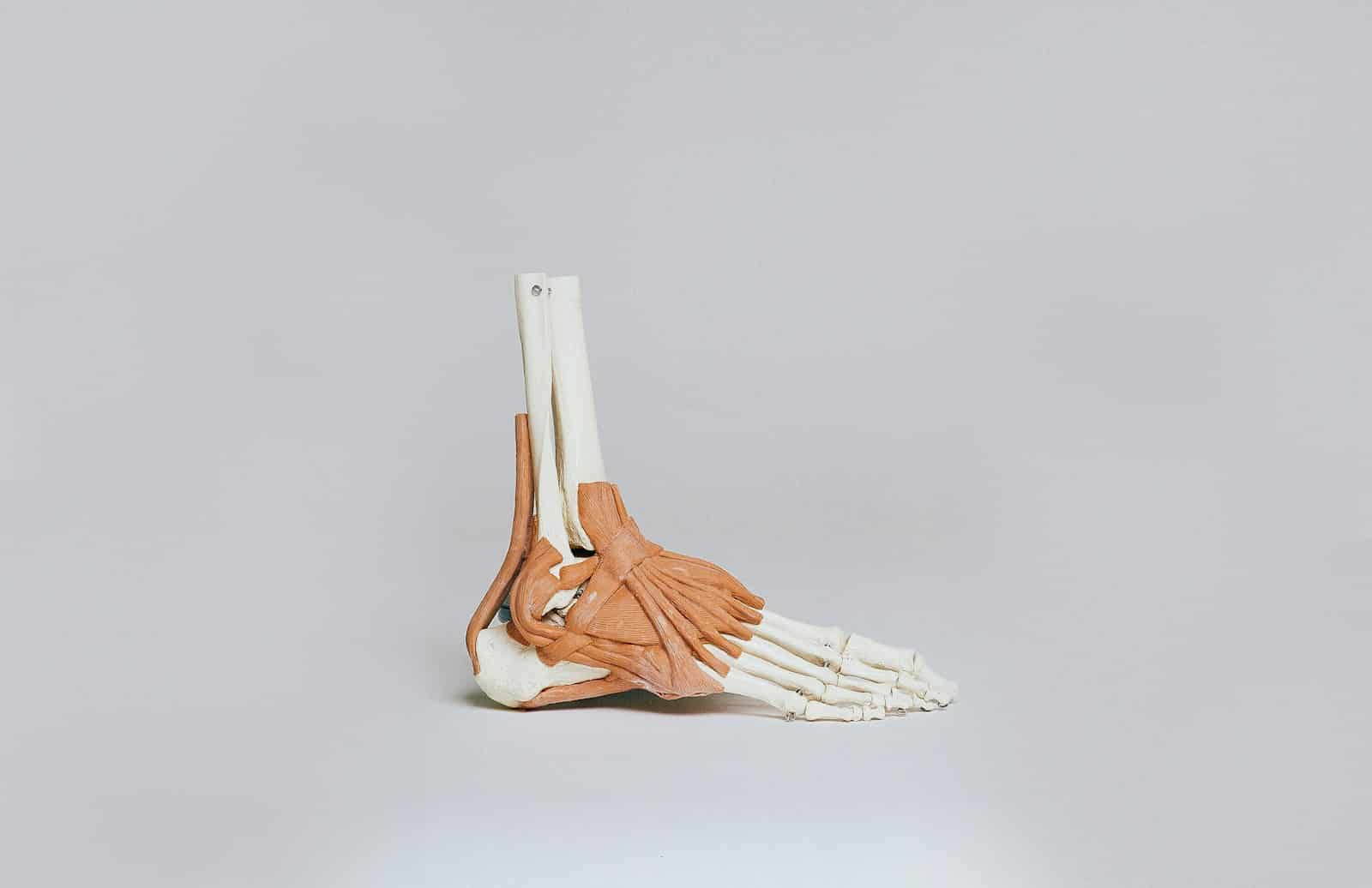
During a podological assessment, the podologist begins by examining the overall structure of the feet. This includes analysis of bone alignment, checking for symmetry between both feet, and evaluating characteristics such as flat feet or high arches. Every detail can reveal clues about underlying conditions that may require special attention.
Identification of Imbalances and Anomalies
The podologist uses various tools and techniques to identify imbalances and anomalies that could affect gait and posture. Pressure tests and footprint analysis may be performed to see how weight is distributed across the feet during walking or standing. These tests help detect areas of excessive pressure that could be harmful in the long term.
Impact on Posture and Mobility
The assessment does not stop at the feet; it also considers how irregularities in the feet can influence other parts of the body. Misalignment at the foot level can cause pain in the ankles, knees, hips, and even the back. The podologist may observe your gait and posture by having you walk or run on a treadmill, sometimes equipped with sensors.
Personalized Advice and Solutions
Following the analysis, the podologist can provide tailored recommendations. These may include specific exercises, appropriate footwear, or prescription orthotic insoles. These interventions aim to correct imbalances, relieve pain, and improve foot function and comfort.
Essential for Various Patient Profiles
While athletes and active individuals benefit greatly from regular podological assessments to prevent injuries due to overuse, this assessment is equally important for people with chronic conditions such as diabetes, which can lead to severe foot complications. Additionally, seniors or those with mobility problems may find that minor adjustments in foot care can significantly enhance their quality of life.
Reimbursement by Social Security
Coverage for podological care by Social Security varies significantly depending on the patient’s health status, especially whether they are diabetic or not.
Coverage for Diabetic Patients
Diabetic patients are particularly vulnerable to podological complications, which may include ulcers, infections, and even amputations in severe cases. To prevent such outcomes, regular follow-up including podological assessments is crucial. Recognizing this necessity, Social Security offers full coverage for podological assessments for diabetics, in the form of annual packages. These packages are allocated based on the patient’s diabetes grade:
- Grade 2: The patient is entitled to an annual package including up to four treatments per year.
- Grade 3: The patient is entitled to an annual package including up to six treatments per year.
These treatments are designed to monitor and address symptoms before they develop into more serious issues, helping to maintain foot health and prevent complications.
Reimbursement for Non-Diabetics
For non-diabetics, podological assessments are less frequently covered, reflecting a perception of lower immediate risk of serious complications. However, when covered, the applicable rate is generally 60% on a base rate of €27. This means that after reimbursement, Social Security contributes €16.20, provided the patient has paid the €1 deductible.
Importance of Medical Prescription
It is important to note that to maximize reimbursement potential from Social Security, a podological assessment typically must be prescribed by a treating physician. This process is part of the coordinated care pathway aimed at optimizing resource use and ensuring patients receive appropriate care at the right time.
Costs and Reimbursements for Podological Assessment and Orthopedic Insoles
| Type of Care | Average Cost | Social Security Reimbursement | Potential Additional Insurance Coverage |
|---|---|---|---|
| Podological Assessment | €50 to €70 | €0 for non-diabetics; full for diabetics depending on conditions | Variable by contract |
| Orthopedic Insoles | €100 to €200 | €16.82 to €35.54 depending on shoe size (65% of the standard rate) | Variable by contract |
Insurance Coverage
Coverage for podological treatments by insurance is a key component to complement health coverage, especially for those who do not benefit from full reimbursement by Social Security. Reimbursement conditions vary greatly among different insurers, offering various options based on individual needs.
Variation of Offers
Each insurer sets its own reimbursement rules for podological assessments. Some may include these assessments within a wellness package, which also covers treatments like osteopathy, chiropractic, or acupuncture. Such packages are especially advantageous as they allow policyholders flexibility in using their coverage for different treatments throughout the year.
Specific Packages
Some insurance plans offer specially designed packages for podological care, which can be very detailed, specifying the number of sessions and the amount covered annually. For example, an insurer might offer €150 reimbursement per year for podological assessments, regardless of what Social Security reimbursements cover.
Importance of Medical Prescription
As with Social Security, many insurers require a medical prescription to authorize reimbursement for podological assessments. This ensures the treatments are medically justified, potentially affecting the level of coverage.
Comparison and Choosing an Insurance
It is essential to compare different insurance offers carefully to find the one best suited to your specific needs for podological care. Key factors to consider include:
- Reimbursement amount: How much does the insurer reimburse for a podological assessment?
- Reimbursement frequency: How many sessions per year are covered?
- Reimbursement conditions: Does the insurer require a medical prescription? Are reimbursements limited to specific podologists or networks?
Advice for Policyholders
- Check your policy details: Take time to read your insurance contract carefully to understand what is covered and under what conditions.
- Balance costs and benefits: Assess whether the cost of the insurance is justified by the reimbursement benefits, especially if you need regular podological care.
- Use online comparison tools: Use comparison websites to evaluate and compare coverage options offered by different insurers.

And what about Orthopedic Insoles?
Orthopedic insoles play a crucial role in correcting postural imbalances and providing adequate foot support. Although often prescribed after a podological assessment, their reimbursement by Social Security often poses challenges regarding financial coverage.
Reimbursement by Social Security
Reimbursement for orthopedic insoles by Social Security is indeed limited. It is regulated according to a standard tariff, which generally only covers a small part of the actual cost of the insoles. Reimbursement rates vary by shoe size:
- For children (shoe size under 28): up to €25.88.
- For intermediate sizes (28 to 37): up to €28.04.
- For adults (shoe size over 37): up to €28.64.
- For monobloc orthoses: up to €54.68.
These amounts clearly show that Social Security’s coverage is often insufficient, especially since the cost of orthopedic insoles frequently exceeds €100, varying greatly depending on the complexity and customization required by the patient’s condition.
Role of Insurance
Given these reimbursement limits, many turn to insurance companies for additional coverage. Insurers can offer reimbursements through various schemes:
- Annual packages specific to podological care, including orthopedic insoles.
- Percentage of coverage on the total cost, sometimes covering up to 100% of remaining costs after Social Security reimbursement.
Choosing Suitable Insurance
For those requiring orthopedic insoles, selecting an insurer that offers good coverage for these devices is critical. When choosing an insurer, it is important to:
- Compare offers: Check the packages offered by different insurers and their suitability to your needs.
- Evaluate costs: Ensure that the premiums are justified by the reimbursements, especially if you need to replace your insoles regularly.
- Consider renewal frequency: Some insurers limit the number of annual insole replacements covered.
Tips to Maximize Your Reimbursements
It is advisable to select an insurance that effectively complements Social Security coverage, especially if you have specific needs regarding podological care. Comparing insurance plans is an effective way to ensure you receive the best possible coverage for your needs. Use online comparison tools to facilitate this process.
In summary, understanding the available reimbursement options for a podological assessment and orthopedic insoles is essential for managing your health expenses effectively. With proper information and coverage, you can access necessary care without over worrying about costs.



For Further Information

Entraîne-toi avec nos Quiz de révision
Fini les lectures passives. Pour retenir les notions clés du BTS Assurance, teste-toi ! Inscris-toi pour recevoir 1 quiz par jour directement dans ta boîte mail.


