


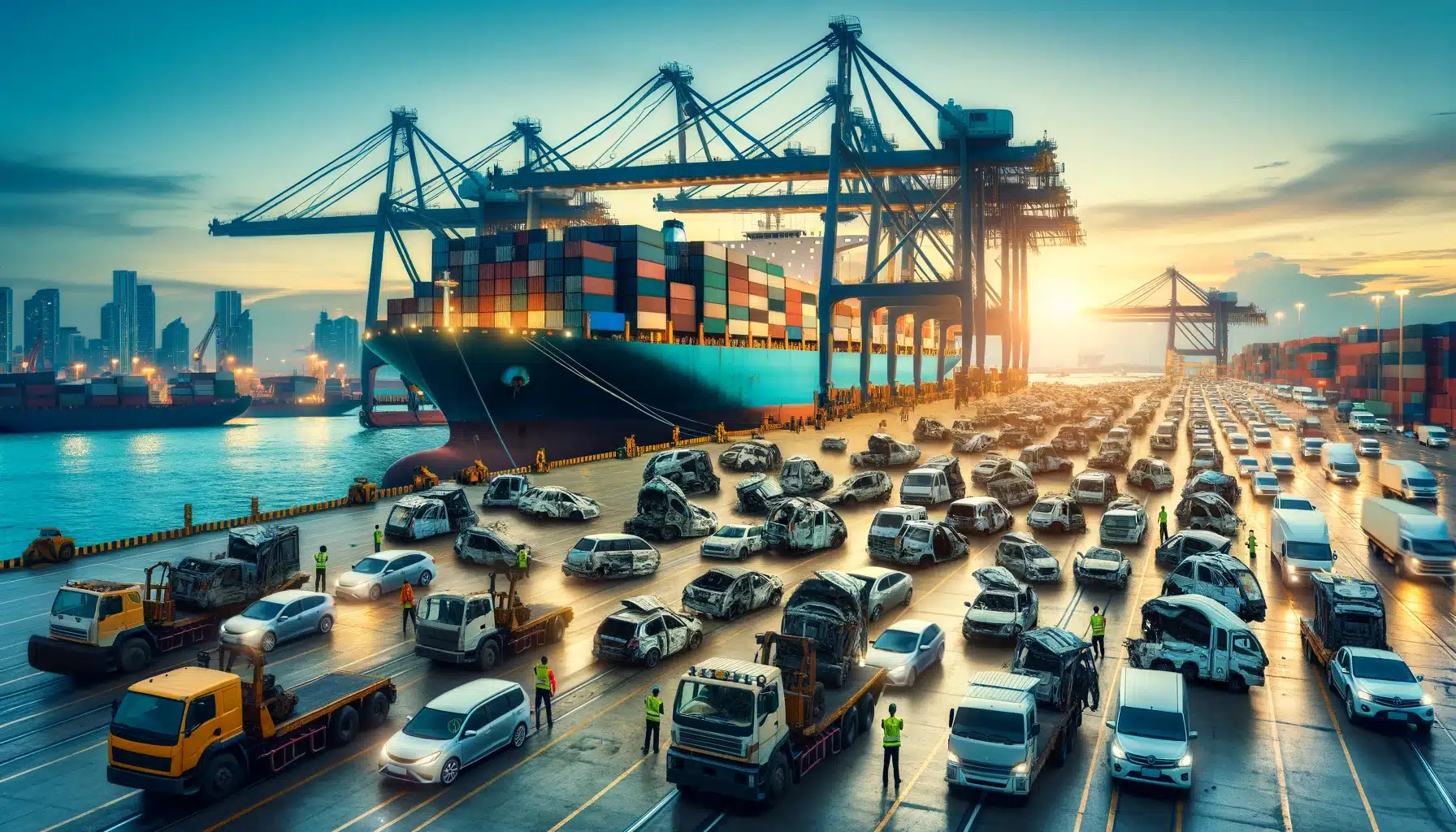
L exported vehicles have become an important part of the global automotive industry. In this article, we explore the various facets of this market, from the economic benefits it offers to the regulatory challenges it raises.


The Economic Appeal of Exporting
Damaged vehicles represent an economic opportunity for many players in the automotive sector. Often, the cost of repairing a vehicle in its home country is prohibitive, making its export to countries where labor and parts are cheaper an attractive option. Additionally, some countries have specialized markets capable of restoring these vehicles efficiently and cost-effectively.
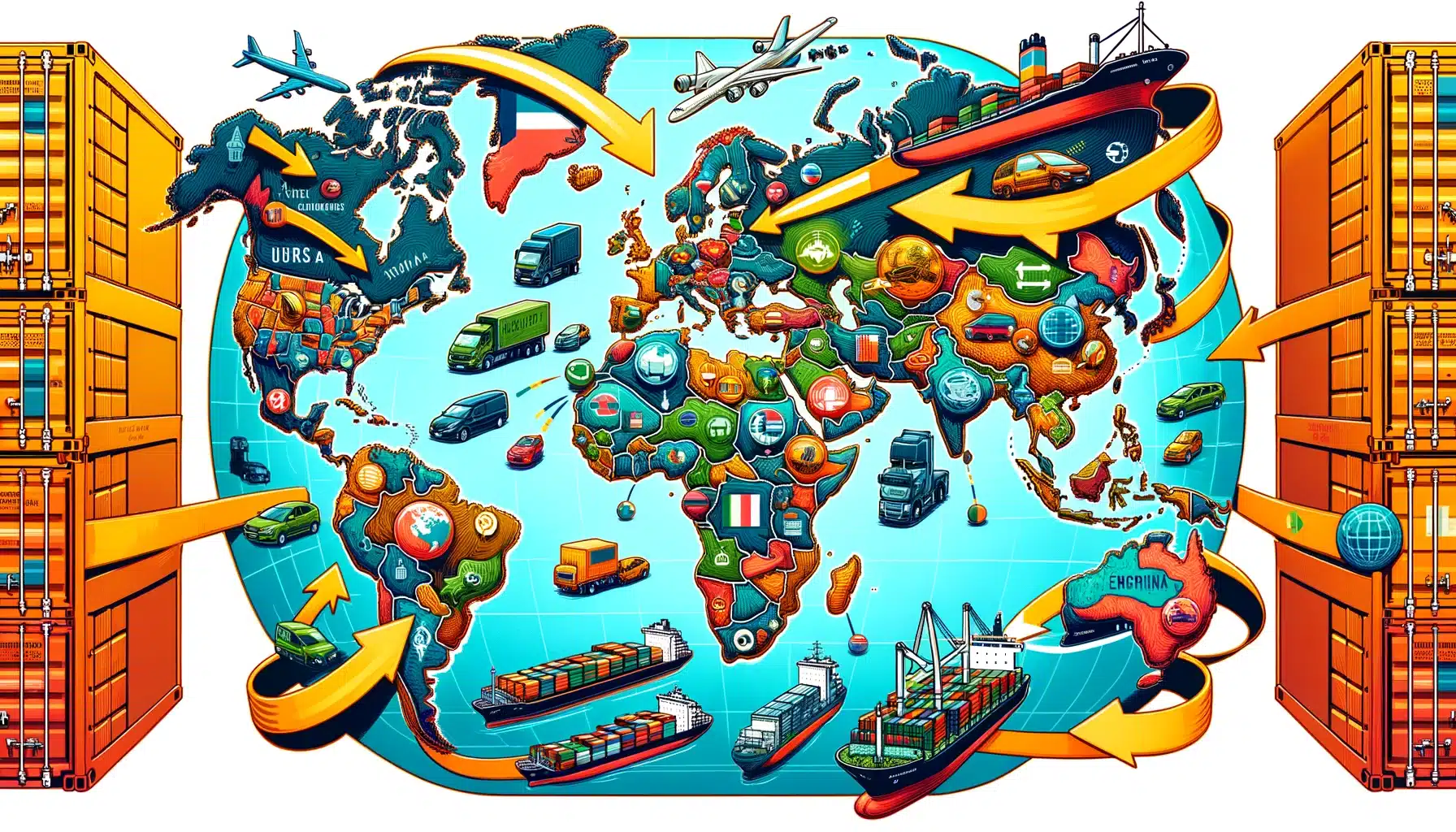
Main Export Markets for Damaged Vehicles
Exporting damaged vehicles is a commercial practice that reflects the increasing interconnectedness of global markets. The developed countries, such as those in the European Union and the United States, play a leading role as exporters, leveraging their capacity to regenerate and recycle vehicles that would otherwise be considered lost. These damaged vehicles find a new utility in regions where low-cost vehicles are not only needed but also highly sought after.
Emerging Markets’ Attraction
Emerging or developing markets, with their high demand for affordable mobility solutions, are the primary destinations for these exports. These countries give a second life to damaged vehicles through lower labor costs and sometimes less strict regulations regarding repairs and maintenance. This dynamic creates a constant flow of vehicles between developed countries and emerging markets, facilitating access to transportation for a large portion of the population in these regions.
Africa: A Growing Market
Africa is one of the biggest beneficiaries of damaged vehicle exports. Demographic and economic growth in many African countries has led to increased demand for affordable vehicles. Damaged vehicles, once repaired, are often used in various contexts, from personal transportation to taxi services, thus contributing significantly to the local economy.
Eastern Europe: A Preferred Destination
Eastern Europe also represents a major destination for damaged vehicle exports. Countries in this region, with their geographic proximity to European Union export markets, benefit from relatively easy access to these vehicles. Lower repair costs and high demand for affordable vehicles make Eastern Europe an attractive market for exporters.
Asia: Opportunities and Challenges
Some parts of Asia also show growing interest in importing damaged vehicles, particularly countries with well-established auto repair industries. However, Asia presents a unique set of challenges, including import regulations and environmental standards, which can vary significantly from country to country. Despite this, the economic potential of reintroducing these vehicles into local automotive circuits remains significant.

Regulations and Challenges of Exporting Damaged Vehicles
Navigating the complex regulatory landscape of damaged vehicle export is a significant challenge for industry players. Safety and environmental standards, which are constantly evolving, along with the necessity to comply with local regulations post-repair, are the main obstacles to overcome.
Safety and Environmental Standards
The safety standards imposed by importing countries ensure that damaged vehicles, once repaired, are safe for road use. These requirements may include thorough technical inspections, road safety tests, and compliance with passive and active safety standards. Similarly, environmental standards aim to limit the ecological impact of vehicles, particularly in terms of emissions and parts recycling. These standards can vary greatly from country to country, making export operations delicate and requiring in-depth knowledge of local regulations.
Compliance with Local Standards after Repair
Once imported and repaired, vehicles must not only be safe for road users but also conform to the specific local standards of each importing country. This often involves a series of modifications or improvements to meet emission, safety, or even design requirements. For importers, this means additional investment in time and resources, which can increase the final cost of repaired vehicles and affect their competitiveness in the local market.
Logistical and Administrative Challenges
Beyond technical and environmental aspects, exporting damaged vehicles also involves navigating a labyrinth of logistical and administrative challenges. International transport of these vehicles requires careful planning to prevent further damage, while optimizing costs. Additionally, customs procedures and obtaining necessary documents, such as import certificates and proof of compliance, can be complex and time-consuming.
Towards Harmonization of Regulations?
Faced with these challenges, the call for international harmonization of standards and regulations is increasingly urgent. Such an initiative would greatly facilitate trade flows by simplifying export and import procedures while maintaining high safety and environmental standards. This effort would require close collaboration among governments, regulatory bodies, and industry stakeholders to create a more consistent and predictable regulatory framework.
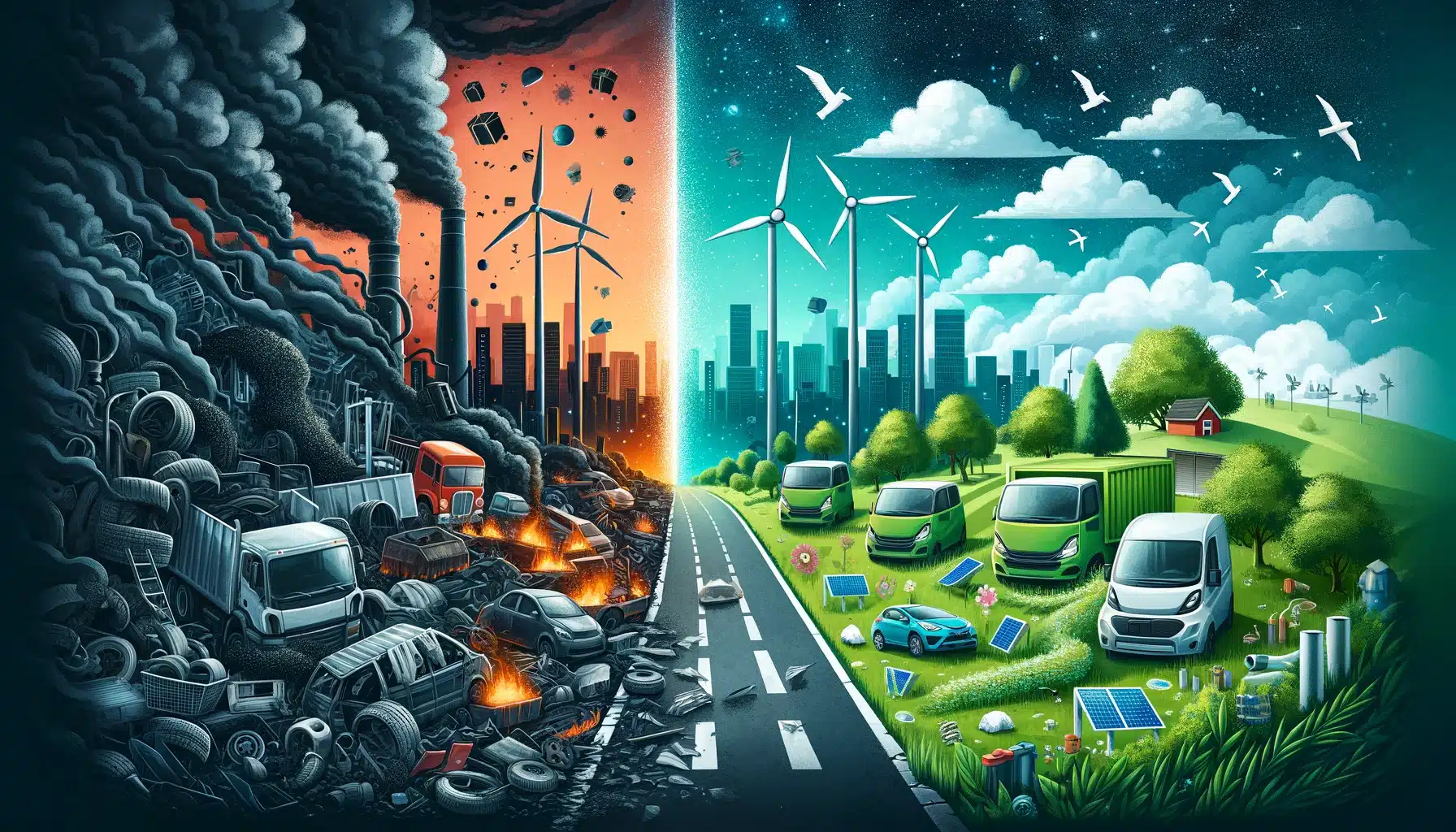
Environmental Impact and Solutions
One of the main concerns related to exporting damaged vehicles is their environmental impact. Efforts to minimize this include strengthening recycling standards and promoting environmentally friendly repair practices. Moreover, the adoption of cleaner technologies and modernization of automotive fleets in importing countries also help mitigate negative environmental effects.
Conclusion: A Promising Future with Challenges to Address
The export of damaged vehicles offers a significant economic potential for many countries and companies. However, for this market to continue developing sustainably, it is crucial to address the regulatory and environmental challenges it presents. International collaboration and innovation will be key to ensuring that damaged vehicle exportation contributes positively to the global economy while minimizing its environmental footprint.


What to Remember About Exporting Damaged Vehicles
| Section | Description |
|---|---|
| The Economic Appeal of Exporting | Damaged vehicles offer an economic opportunity due to lower repair costs in certain countries. |
| Main Export Markets | Developed countries export to regions with high demand for affordable vehicles. |
| Emerging Markets’ Attraction | Emerging markets host vehicles for their second life, benefiting from lower repair costs. |
| Africa: A Growing Market | Africa benefits from damaged vehicle exports, meeting the increasing demand for affordable vehicles. |
| Eastern Europe: A Preferred Destination | Geographical proximity and low repair costs make Eastern Europe a major destination. |
| Asia: Opportunities and Challenges | Asia shows increasing interest despite regulatory and environmental challenges. |
| Regulations and Challenges of Exporting | Changing standards and alignment with local regulations pose major hurdles. |
| Safety and Environmental Standards | Importing countries impose strict standards for vehicle safety and ecological impact of repaired vehicles. |
| Compliance with Local Standards after Repair | Importers often need to modify vehicles to meet local requirements, increasing costs. |
| Logistical and Administrative Challenges | Logistics and administrative procedures require careful planning for efficient export. |
| Towards Harmonization of Regulations? | Harmonizing regulations would facilitate trade while maintaining safety and environmental standards. |
| Environmental Impact and Solutions | Efforts to reduce environmental impact include recycling and adopting cleaner technologies. |
| Conclusion : A Promising Future with Challenges to… | The export of damaged vehicles requires managing regulatory and environmental challenges for sustainable growth. |

Entraîne-toi avec nos Quiz de révision
Fini les lectures passives. Pour retenir les notions clés du BTS Assurance, teste-toi ! Inscris-toi pour recevoir 1 quiz par jour directement dans ta boîte mail.


