


Summary
| 🏷 Section | 📄 Key Content |
|---|---|
| 🌍 Introduction & Context | Highlights the economic importance of the pharmaceutical sector, the global growth ($1.5 trillion in 2024), and the strategic need for PESTEL analysis to anticipate market changes. |
| 🧠 Context of the PESTEL Analysis | Explains why the PESTEL method is essential for understanding macroeconomic influences on the pharmaceutical industry in 2025. |
| 📝 PESTEL Methodology | Describes the 3 steps: information gathering, analysis of external factors, strategic synthesis to guide company decisions. |
| 🏛 Political Dimension | Details government regulations, pricing policies, political stability, and subsidies directly influencing margins and corporate strategy. |
| 💶 Economic Dimension | Analyzes the impact of household income, demographic aging, and rising healthcare expenditures on treatment demand. |
| 👥 Sociocultural Dimension | Highlights the changing health behaviors: rise in chronic diseases, prevention campaigns, new wellness expectations. |
| 🧠 Technological Dimension | Explores the impact of biotech, digitization, AI, virtual clinical trials, and blockchain on R&D and pharmaceutical distribution. |
| 🌱 Environmental Dimension | Highlights ecological regulatory pressures, carbon footprint reduction, and CSR initiatives by major firms. |
| ⚖️ Legal Dimension | Addresses drug laws, patient data protection, cybersecurity, and their strategic consequences for pharmaceutical groups. |
| 📊 Mini SWOT | Summarizes key opportunities (biotherapies, AI, emerging markets) and threats (strict regulation, cybersecurity, generic competition). |
| 🧪 Case Studies | Analyzes strategies of Pfizer-BioNTech (AI & R&D speed), Sanofi (sustainability), and Roche (shift to personalized medicine). |
| 🚀 Reflections & Perspectives 2030 | Highlights future challenges: continuous innovation, sustainability, ethics, digitization, and international regulation harmonization. |
| 📝 Conclusion | Summarizes the importance of PESTEL as a strategic management tool to anticipate changes and remain competitive in a rapidly evolving industry. |
| ❓ FAQ | Answers key questions about the PESTEL method applied to pharmacy, its objectives, factors, and future prospects. |
In an increasingly complex global economic environment, PESTEL analysis stands out as a strategic tool for actors in the pharmaceutical industry. Faced with the dynamics of innovation, growing regulatory demands, and demographic changes, a thorough understanding of the Political, Economic, Sociocultural, Technological, Environmental, and Legal factors is essential to successfully navigate this sector. In 2025, this article offers a detailed exploration of these dimensions, providing an analytical framework for companies like Sanofi, Roche, Pfizer, and other industry giants. Far from an abstract view, this analysis aims to be concrete and illustrated with tangible examples, shedding light on the challenges and opportunities ahead.
💡 In 2024, the global pharmaceutical market surpassed 1.5 trillion dollars, driven by an average annual growth of 6.2% according to IQVIA. This momentum is fueled by technological innovation, the longevity extension, and the increasing needs for complex medical treatments. However, this growth is accompanied by a stricter regulatory environment and new societal expectations.
In this context, mastering macroeconomic factors becomes a strategic necessity. The PESTEL analysis is no longer just an academic tool: it’s a decision-making compass to anticipate changes in the pharmaceutical sector.
Summary
- Context of the PESTEL analysis
- Political dimension
- Economic dimension
- Sociocultural dimension
- Technological dimension
- Environmental dimension
- Legal dimension
- Reflections on the future of the pharmaceutical industry
Context of the PESTEL Analysis
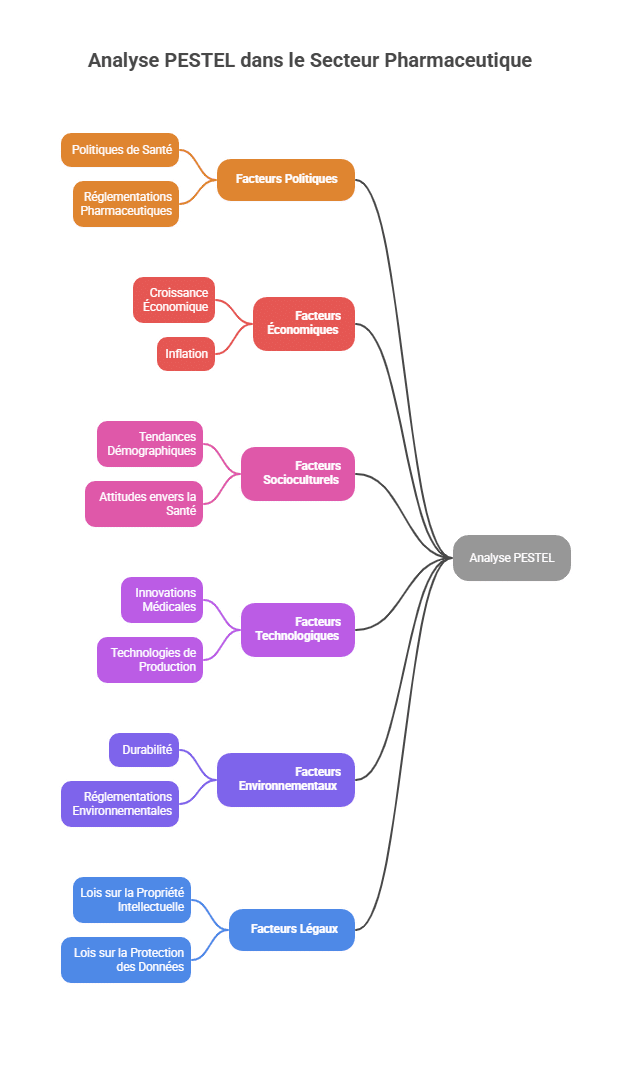
The PESTEL analysis emerges as a strategic response to the need to understand macro-environmental influences on the pharmaceutical sector. The PESTEL structure helps identify external forces that shape the industry, thereby influencing strategic decisions. In 2025, companies must not only focus on their internal performance but also anticipate and adapt to a constantly evolving environment. Sociopolitical developments, global economic shifts, technological advances, and environmental concerns dictate market conditions.
Importance and Methodology of the PESTEL Analysis
Implementing the PESTEL analysis requires a step-by-step approach to ensure a structured understanding of various elements. Here is an effective methodology:
- Step 1: Data collection – Gather relevant data from reports, market studies, and specialized articles.
- Step 2: Factor analysis – Assess the influence of each dimension and their interconnections.
- Step 3: Synthesis – Develop a report integrating all analyzed data to guide strategy.
| Step | Description |
|---|---|
| Step 1 | Data collection from internal reflections and external expertise. |
| Step 2 | Critical analysis of identified external influences. |
| Step 3 | Synthesis of data into a strategic report. |
Political Dimension
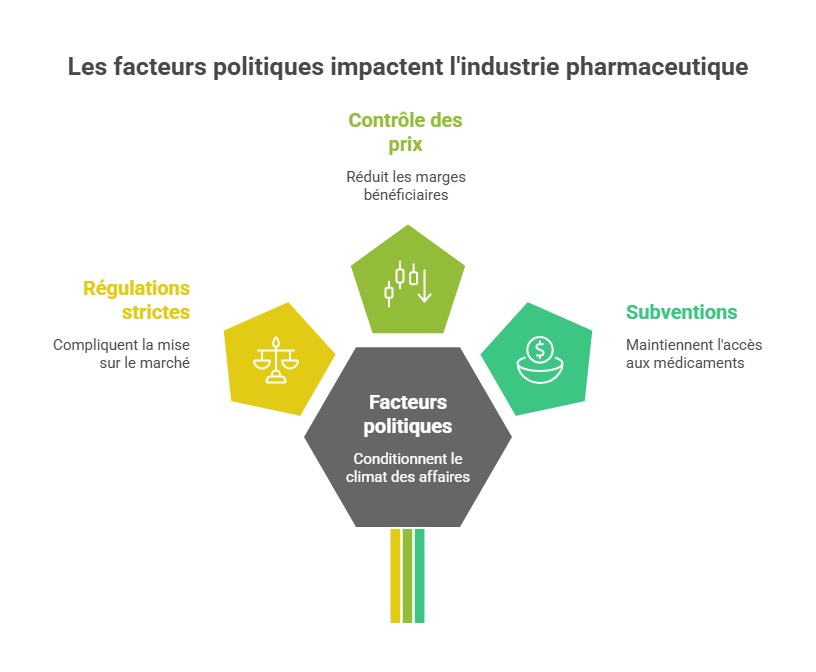
The political dimension involves numerous factors that condition the business climate in the pharmaceutical industry. This includes aspects such as government regulation, tax policies, and political stability. These elements have a direct impact on the operations of companies like AbbVie, Bayer, and GSK.
Legal Frameworks and Regulations
Countries have strict legal frameworks that set safety standards, certifications, and measures against illicit medicines. Non-compliance by companies can result in significant penalties, jeopardizing their market position.
Price Control
In many countries, governments implement controls over drug prices to ensure accessibility. This can have a restrictive effect on company profitability. While intended to protect consumers, it may also hinder research and development of new medicines.
Subsidies and Aids
Some national administrations provide substantial support to the pharmaceutical industry to ensure critical medicines remain accessible. This financial support can be crucial for companies’ competitiveness in saturated markets.
| Political Factor | Impact on Industry |
|---|---|
| Strict regulations | Can complicate the market approval of new products. |
| Price controls | May reduce profit margins for companies. |
| Government subsidies | Help maintain patient access to medicines. |

Economic Dimension
The economic health of a country directly influences citizens’ ability to access healthcare and medicines. The economic dimension of the PESTEL analysis is therefore vital for companies like Merck and Johnson & Johnson.
Evolution of Household Incomes
With increasing incomes driven by economic growth, consumers are more able to purchase medicines. This leads to higher healthcare expenditures, especially for more costly treatments that were previously out of reach.
Healthcare Expenditures and Current Trends
The aging population contributes to a substantial increase in healthcare expenses, particularly in pharmaceuticals. This phenomenon represents an opportunity for growth for sector companies.
- Rise in disposable income 💰
- Research and innovation dynamics 🧬
- Increase in healthcare spending 🎯
| Economic Factor | Impact on Industry |
|---|---|
| Rising incomes | Potential increase in costly treatments. |
| R&D and innovation | Facilitates development of new medicines. |
| Population aging | Boosts demand for medicines. |
Socio-cultural Dimension
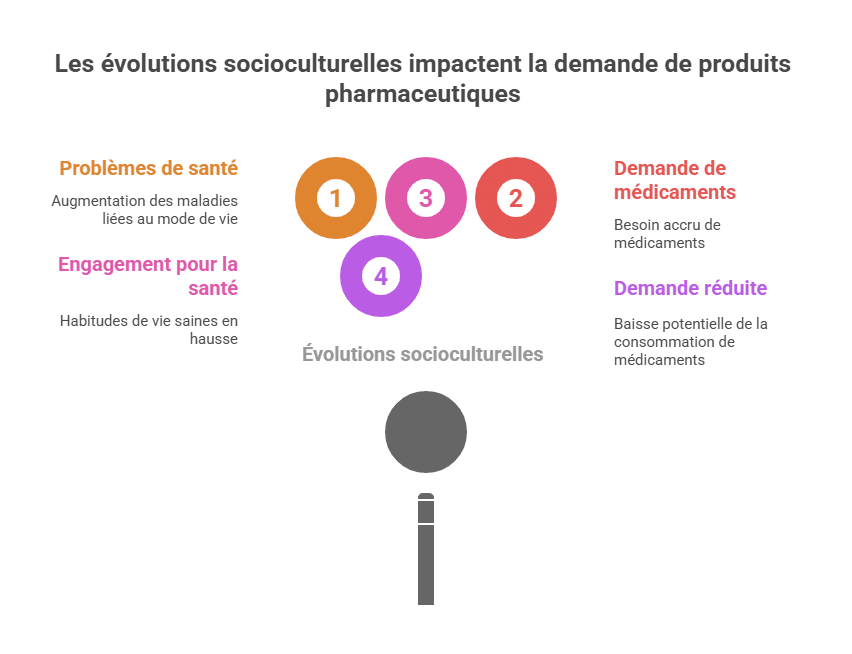
Sociocultural evolutions play a key role in defining consumer behaviors and, consequently, in the demand for pharmaceutical products. Companies need to pay attention to these changes to create suitable offers.
Consumer Behavior
Modern life, often hectic, contributes to increased health issues such as obesity, diabetes, and hypertension. Patients then have a higher need for medicines to manage these conditions, fueling sales for manufacturers.
Health Awareness Campaigns
Homes are increasingly engaged in healthy lifestyle habits. This could lead to a decrease in medication consumption in the future, forcing the industry to reevaluate its marketing and product offers strategies.
- Increase in lifestyle-related health problems 🚶♂️
- Greater health engagement 🌱
- Evolution of sociological values 📊
| Sociocultural Factor | Impact on Industry |
|---|---|
| Changes in lifestyle | Increasing demand for medicines for chronic diseases. |
| Engagement with healthy living | May reduce demand for traditional medicines. |
Technological Dimension
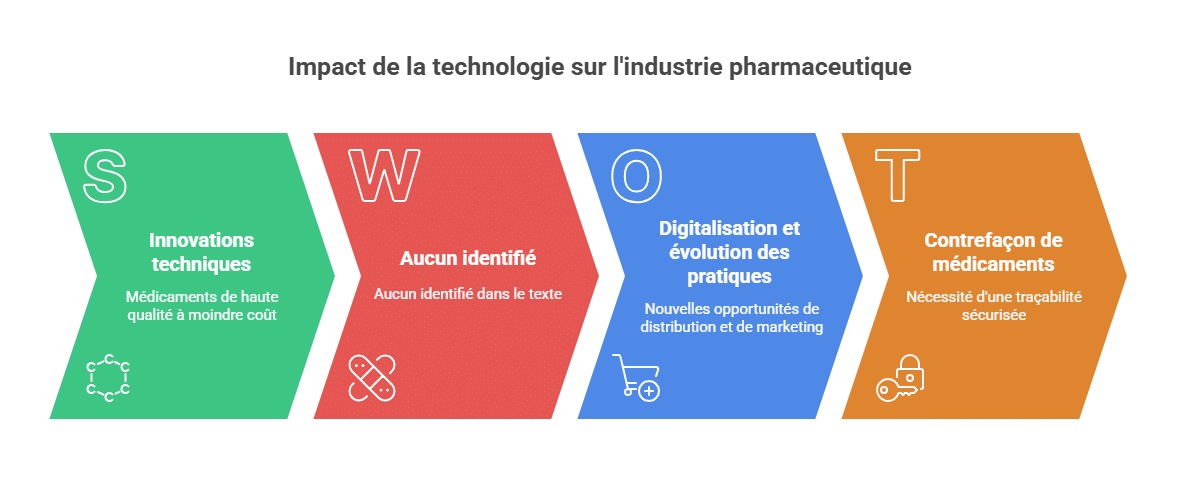
In such an advanced sector as pharmaceuticals, technology is a crucial driver of innovation. The impact of new research platforms and biopharmaceutical innovations is significant for market players.
Technical Innovations
Advances in biotechnology enable the creation of higher-quality medicines at reduced costs. This dynamic enhances accessibility to therapies for a broader consumer base.
Digitization and Practice Evolution
Digital technologies offer new opportunities for distribution and marketing. Today, companies like Amgen and Novartis leverage online channels to expand their market reach, offering home delivery solutions that improve access to medicines.
- Biotechnology development 🧬
- Healthcare digitization 💻
- Automation of production processes 🏭
| Technological Factor | Impact on Industry |
|---|---|
| Biotechnologies | Development of more effective treatments. |
| Digitalization | Facilitates sales and distribution. |
Development of the “Technological” Aspect (AI, Data, Blockchain)
Artificial intelligence (AI) is revolutionizing pharmaceutical R&D. Platforms like those of BioNTech or Moderna use AI to identify promising molecules faster, reducing development timelines from several years to just months.
Moreover, virtual clinical trials based on advanced modeling enable efficacy simulations of treatments without needing costly traditional cohorts.
At the same time, blockchain is becoming a tool for secure traceability, ensuring drug authenticity throughout the supply chain, a crucial issue amid rising counterfeit concerns.
These technological innovations are no longer peripheral—they are redefining the pharmaceutical value chain.
Environmental Dimension
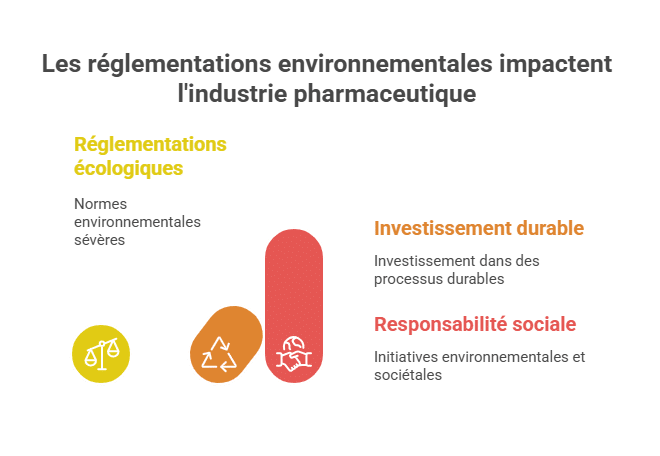
Faced with growing ecological challenges, the pharmaceutical industry must adopt a sustainable approach. Waste management and the environmental impact of medicines are at the heart of current concerns.
Enhanced Environmental Regulations
Companies must comply with strict environmental standards aimed at reducing pharmaceutical carbon footprints. Firms such as Pfizer and Roche are thus compelled to invest in eco-friendly processes.
Corporate Social Responsibility
Initiatives dedicated to environmental issues, such as awareness campaigns or commitments to sustainable development, can enhance corporate image in the market. Adopting an active stance in this area is now non-negotiable for credibility.
- Reduction of carbon footprint 🌍
- Investment in sustainable processes ♻️
- Engagement in societal initiatives 🌱
| Environmental Factor | Impact on Industry |
|---|---|
| Ecological regulations | Potential costs for compliance. |
| Waste impact | Necessity for rigorous pollutant management. |
Legal Dimension
Legal factors often play a significant yet underestimated role in the pharmaceutical industry. However, they can have a substantial impact on corporate strategies.
Legal Framework for Pharmaceuticals
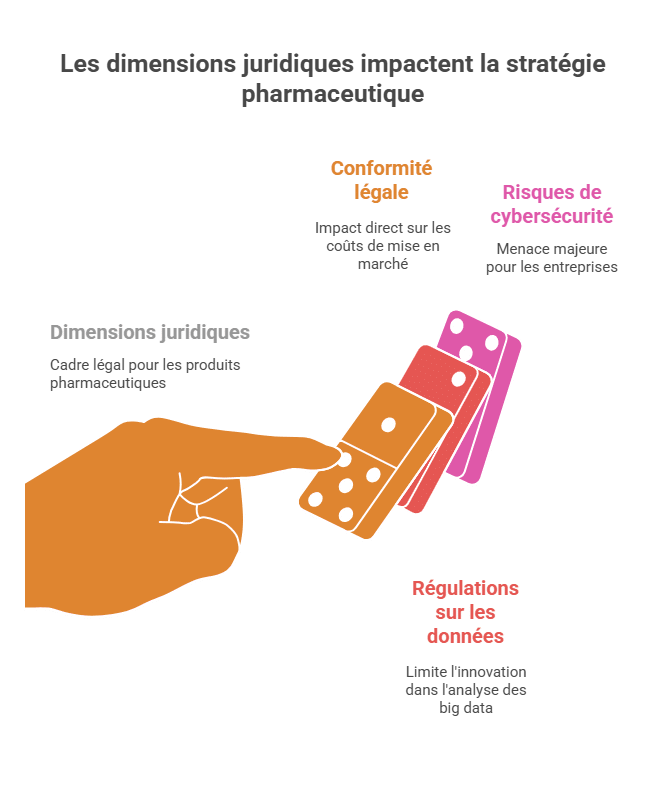
The legislation governing drug approval, patient data protection, and fraud prevention is critical. Non-compliance can lead to severe consequences, both financial and reputational.
Data Management and Cybersecurity
In the digital age, managing patient data is a priority. Cyber threats pose a major risk for companies; litigations, restoring consumer trust, and correcting errors can be costly and time-consuming.
- Legal compliance of products 💼
- Protection of customer data 🛡️
- Cybersecurity risks 🚨
| Legal Factor | Impact on Industry |
|---|---|
| Drug legislation | Direct influence on market entry costs. |
| Data regulation | May limit innovation in big data analysis. |

Mini SWOT (Opportunities / Threats)
| Opportunities | Threats |
|---|---|
| Development of targeted biotherapies | Global regulatory tightening |
| Aging population = expanded market | Increased generic competition |
| Digitization & AI = productivity gain | Cybersecurity risks & data leaks |
| Easier access to emerging markets | Geopolitical instability affecting supply chains |

Case Studies: Winning Strategies in Pharma
-
Pfizer & BioNTech 🧠
These two companies used AI and advanced analysis platforms to accelerate COVID-19 vaccine development, demonstrating that digitization can revolutionize R&D timelines. -
Sanofi 🌿
The French group announced several billion euros of investments in biotechnologies and sustainable solutions to reduce its carbon footprint and strengthen its position in biological therapies. -
Roche 🌏
Facing Asian competition, Roche shifted its efforts toward personalized medicine and advanced diagnostics, a strategy allowing it to maintain its market share in a highly competitive environment.

Reflections on the Future of the Pharmaceutical Industry
At the dawn of new challenges and opportunities, the pharmaceutical sector must evolve. In 2025, each dimension of the PESTEL analysis highlights the major issues companies must face. The ability to anticipate and adapt to these factors will determine the longevity of players in the market.
- Promotion of continuous innovation 🚀
- Proactive adoption of ecological values 🌿
- Commitment to ethical business practices 📈
- Adapting to sociocultural evolutions 🌏
| Key Future Factors | Expected Impacts |
|---|---|
| Innovation | More effective and accessible pharmaceutical products. |
| Sustainability | Better brand image and legal compliance. |
| Ethics | Strengthening consumer trust. |
Perspectives 2030: Toward an Augmented Pharma
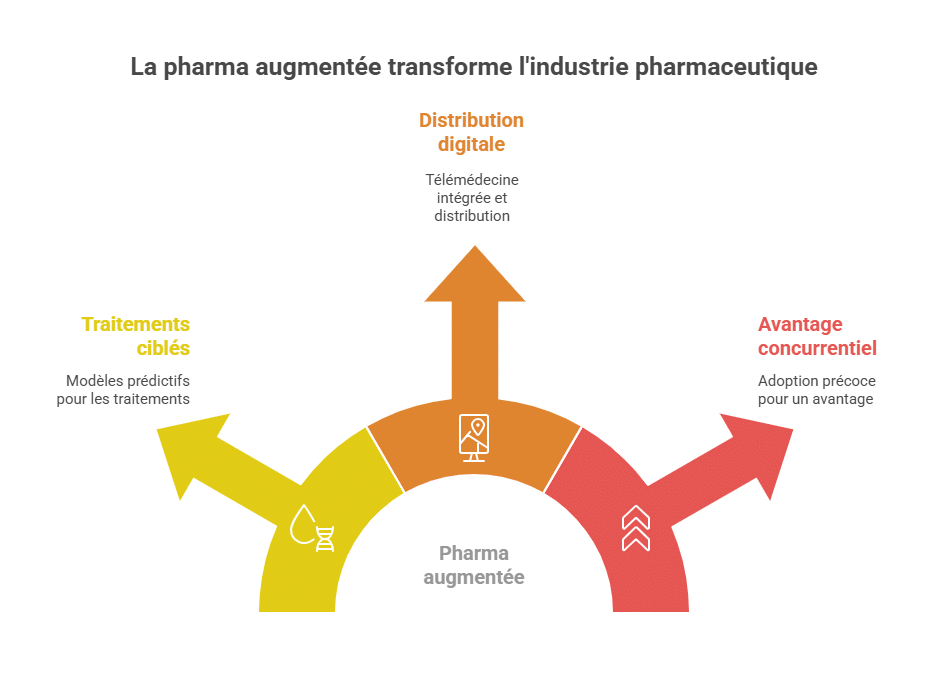
By 2030, the pharmaceutical industry will be deeply transformed by data, automation, and a harmonized international regulation.
Predictive models will enable the development of ultra-targeted treatments, while distribution will become largely digitalized, with integrated telemedicine.
Companies that are able to adopt these trends early will gain a decisive competitive advantage. Conversely, those resisting change may see their position erode in the face of more agile new entrants.
📝 Conclusion
The PESTEL analysis provides an essential framework for understanding the complex dynamics shaping the pharmaceutical industry in 2025. Each dimension — political, economic, sociocultural, technological, environmental, and legal — acts as a strategic lever that companies must master to anticipate market shifts. In a sector marked by accelerated innovation, regulatory pressure, and rising societal expectations, organizations capable of integrating these factors into their overall vision will turn challenges into sustainable growth opportunities. By 2030, adaptability, investment in R&D, and commitment to ethical and responsible practices will define tomorrow’s leaders. More than just an analytical tool, PESTEL is becoming a true strategic management instrument—a must for staying competitive in a constantly evolving industry.
FAQ on PESTEL Analysis in the Pharmaceutical Sector
1. What is the PESTEL analysis?
PESTEL analysis is a strategic tool that assesses the macroeconomic environment of an industry by identifying six dimensions: Political, Economic, Sociocultural, Technological, Environmental, and Legal.
2. Why should the pharmaceutical industry conduct a PESTEL analysis?
The industry needs to perform a PESTEL analysis to anticipate external changes that could influence operations, marketing strategies, and product development.
3. What are the main factors considered in the PESTEL analysis for pharmaceuticals?
Key factors include political regulations, economic health, sociocultural behaviors, technological innovations, environmental issues, and legal requirements.
4. How does technological innovation influence the pharmaceutical sector?
Technology enables the development of new treatments, improves process efficiencies, and facilitates distribution channels.
5. What are the future prospects for the pharmaceutical industry?
Companies must adapt to environmental and sociocultural changes while continuing innovation in R&D to stay competitive.



Sur le même thème
- Analyse PESTEL of the healthcare sector in 2026: challenges and opportunities
- Analyse PESTEL of the sports sector in 2026: challenges and opportunities
- Analyse PESTEL of the energy sector in 2026: challenges and opportunities
📊 Voir aussi : notre hub centralisé de toutes les analyses SWOT & PESTEL (206 études) classées par secteur — Tech, Auto, Mode, Distribution, Finance.
Tu prépares le BTS Assurance ?
Cette analyse PESTEL fait partie des thèmes abordés dans les épreuves. Notre E-book de révision couvre l'intégralité du programme en fiches claires et synthétiques.
- 100 % du programme BTS Assurance
- Fiches 1ère et 2ème année
- Créé par un diplômé
- Téléchargement immédiat

Entraîne-toi avec nos Quiz de révision
Fini les lectures passives. Pour retenir les notions clés du BTS Assurance, teste-toi ! Inscris-toi pour recevoir 1 quiz par jour directement dans ta boîte mail.


