


In summary
| 📖 Section | 📝 Summary |
|---|---|
| 🇫🇷 Introduction | The French healthcare system is based on solidarity, universality, and free access, offering equal access to care for all. |
| 🕰️ History and Evolution | Its origins date back to the 19th century, with major reforms after 1945 such as the creation of Social Security. |
| 👶 The First Initiatives | Starting in 1893, laws facilitated access to care for the most disadvantaged, laying the groundwork for an inclusive health system. |
| 🛠️ Major Reforms (1960-1970) | Reorganization of Social Security and the introduction of activity-based pricing to improve management of healthcare facilities. |
| 📈 Expansion (1980-1990) | modernization of hospitals and laws introduced to prevent diseases related to tobacco and alcohol. |
| 🔧 Reforms of the 2000s | Establishment of the Health Authority and strengthening of the regional health agencies (ARS) for better regional regulation. |
| 🌍 Current Challenges | Demographic aging, increase in chronic illnesses, and the need for reforms to strengthen the system. |
| 🤝 National Solidarity | Funding through social contributions, ensuring access to care without discrimination. |
| 💸 Social Contributions | Mandatory contributions proportional to income fund universal access to care. |
| 🚑 Universal Access to Care | Every citizen has the right to healthcare, which is a remarkable feature of the French system. |
| 🏥 Hospitals and Care Facilities | Public and private hospitals offer high-quality care and are regularly evaluated by the Health Authority. |
| ⚖️ Healthcare System Challenges | The system faces challenges such as funding of care and resource management. |
| 📊 Organization of the Healthcare System | The system is structured at national, regional, and local levels, with coordinated policies and actions for better health. |
The French healthcare system is often considered one of the most efficient in the world. Based on solid principles of solidarity, universality, and free access, it guarantees all citizens equal access to healthcare services.
History and Evolution of the French Healthcare System
The healthcare system in France has evolved over decades, influenced by reforms aimed at improving access to healthcare. These reforms were implemented to meet the growing needs of the French population.
The First Initiatives
The history of the French healthcare system dates back to the 19th century with the emergence of early social laws. In 1893, the law on free medical assistance enabled the poorest to access medical care. This was a significant first step toward creating a solidarity-based health system.
Creation of Social Security
The Second World War played a crucial role in the development of the French healthcare system. In 1945, the creation of Social Security marked a major revolution. Inspired by the National Resistance Council, this system aimed to provide social protection to all citizens, covering risks related to illness, disability, old age, and death. Social Security established the principle of national solidarity, where everyone contributes according to their means and receives according to their needs.
The Major Reforms of the 1960s and 1970s
The 1960s and 1970s saw several important reforms to strengthen the health system. In 1967, Jean-Marcel Jeanneney’s ordinances reorganized Social Security into three branches: illness, old age, and family. In 1970, the Boulin law introduced activity-based pricing (T2A), aimed at improving efficiency and financial transparency in healthcare institutions.
Expansion of the 1980s and 1990s
During the 1980s and 1990s, the health system continued to evolve with measures to modernize hospitals and improve care quality. In 1991, the Évin law introduced important measures for preventing diseases linked to tobacco and alcohol. In 1996, Juppé ordinances created regional hospitalization agencies (ARH), precursors to regional health agencies (ARS), to better coordinate and regulate care offerings at the regional level.
Reforms of the 2000s
The 2000s saw many reforms introduced to address contemporary challenges. In 2004, the law on health insurance created the High Authority of Health (HAS) to guarantee quality and safety in care. In 2009, the law Hôpital, Patients, Santé, Territoires (HPST) reinforced the role of ARS, creating a more integrated framework for regional health planning.
Current Challenges and Recent Reforms
The beginning of the 21st century posed new challenges, notably the aging population and the increase in chronic diseases. The COVID-19 pandemic highlighted the need to strengthen the resilience of the health system. In response, recent reforms have been implemented to improve efficiency and reactiveness of care. In 2016, the creation of Territorial Hospital Groups (GHT) aimed to promote cooperation among healthcare facilities to optimize patient management.

Foundations of the Healthcare System
The French healthcare system is based on the principle of national solidarity. Every individual contributes to the system’s funding through social contributions. In return, every citizen benefits from access to care without discrimination.
National Solidarity
The principle of national solidarity means that all citizens participate in financing the healthcare system, regardless of their economic situation. This contribution mainly comes from social contributions deducted from wages. Thus, each worker and employer contribute to funding the Social Security fund, which ensures medical coverage for the population.
Social Contributions
Social contributions are the Main source of funding for the French healthcare system. They are mandatory and proportional to income, ensuring an equitable distribution of financial burden. These contributions fund health benefits, including medical consultations, hospital treatments, medications, and long-term care.
Universal Access to Care
One of the most remarkable aspects of the French healthcare system is universal access to care. Thanks to national solidarity, every citizen, whether working or not, wealthy or poor, is entitled to healthcare. This model guarantees that no one is excluded from necessary care. All legal residents of France are automatically covered by Social Security, ensuring universal medical protection.
Absence of Discrimination
The French health system is designed to offer equitable care to all citizens, without discrimination. This means that access to health services depends neither on income nor social status, age, or place of residence. Healthcare professionals and facilities are required to provide quality care equally to all patients, ensuring treatment equality across the territory.
Supplementary Coverage
In addition to the basic coverage provided by Social Security, there are mutuals and supplementary insurance plans. These agencies help cover healthcare costs not reimbursed by Social Security, such as co-payment tickets, dental care, and optical services. About 95% of the French population subscribes to a supplementary health plan, further reinforcing the universality and accessibility of the system.
Prevention and Health Education
The French healthcare system places great importance on prevention and health education. Vaccination programs, awareness campaigns, and screening consultations are regularly organized to prevent diseases and promote healthy behaviors. This proactive approach aims to reduce disease incidence and improve overall quality of life.
Universal Coverage
Universal coverage is a core pillar of the French system. All legal residents of France are entitled to basic medical coverage, regardless of their economic situation. This guarantees that no one is excluded from necessary care.
Rights of All Residents
In France, universal coverage ensures that every legal resident receives medical protection. Whether employed, self-employed, unemployed, or retired, you have the right to health coverage. This universal inclusion guarantees that all citizens, regardless of their economic or professional status, receive appropriate medical care.
Basic Health Insurance
French Social Security provides basic health insurance to all legal residents. This system covers a wide range of care, including medical consultations, hospital treatments, prescribed medications, and rehabilitation services. This basic coverage is designed to ensure that every individual has access to essential health services.
Absence of Economic Discrimination
One of the fundamental principles of universal coverage is the absence of economic discrimination. In other words, access to healthcare does not depend on individual income. Low-income people, homeless individuals, and the unemployed have the same right to care as those with higher incomes. This principle of fairness is crucial to maintaining a just and solidaristic society.
PUMa: Universal Disease Coverage
Introduced in 2016, the Universal Disease Coverage (PUMa) simplifies access to health insurance for all residents. PUMa allows every resident of France to benefit from health coverage as soon as they reside stably and regularly in the territory. This measure reinforces the universality of access to medical care by removing complex administrative formalities.
Supplementary Health Plans
In addition to basic health insurance, residents can subscribe to supplementary health plans. These mutuals and private insurance schemes cover costs not reimbursed by Social Security, such as dental care, glasses, and long-term hospitalization. About 95% of the French nation holds a supplementary health plan, allowing for more comprehensive coverage.
Public Health Programs
Universal coverage also includes public health programs aimed at disease prevention and health promotion. Vaccination campaigns, free screenings, and educational initiatives are implemented to encourage healthy behaviors and reduce disease incidence. These programs are accessible to all residents without discrimination.
Access to Specialists and Hospital Care
Thanks to universal coverage, residents also have access to specialist doctors and hospital care. When needed, patients can consult specialists, undergo surgical treatments, and receive complex care in healthcare facilities. This level of care is essential for treating serious and chronic conditions.

The Role of Health Professionals
Health professionals play a crucial role in the system. General practitioners are often the first point of contact for patients. They coordinate care and refer patients to specialists when necessary.
General Practitioners
General practitioners are the guardians of public health in France. As the first contact point, they diagnose and treat a wide range of health problems. Their role is to provide basic care and monitor their patients’ overall health. Thanks to their in-depth knowledge of their patients, they can detect early signs of diseases and offer preventive advice.
Coordination of Care
General practitioners play a key role in care coordination. They centralize all medical information of their patients, thus ensuring a coherent overview of their health status. When specific needs arise, they refer patients to appropriate specialists. This coordination guarantees patients receive tailored and continuous care.
Specialist Doctors
Specialist doctors intervene when patients require specific care. These professionals have expertise in particular fields such as cardiology, dermatology, or oncology. Upon recommendation by general practitioners, patients consult these specialists for in-depth diagnoses and specialized treatments. Specialists often work in close collaboration with general practitioners to ensure comprehensive patient management.
Nurses and Nursing Staff
Nurses and nursing staff are essential actors in the health system. They provide direct patient care, administer medications, monitor vital signs, and assist in managing daily care. Besides their clinical responsibilities, they play an important role in educating patients on managing their health and disease prevention.
Pharmacists
Pharmacists are responsible for dispensing medications and providing pharmaceutical advice. They ensure that patients understand their prescriptions and help manage potential side effects. Pharmacists also play a crucial role in health promotion, offering services such as vaccination and disease screening.
Physiotherapists
Physiotherapists help patients rehabilitate and improve their physical abilities after injuries or illnesses. They develop personalized treatment programs to help patients regain mobility and manage pain. Their expertise is vital for recovery and well-being, especially after surgeries or accidents.
Midwives
Midwives play a vital role in prenatal, perinatal, and postnatal care. They support women during pregnancy, childbirth, and postpartum, providing essential care and advice to ensure the health of mother and child. Midwives are also trained to manage deliveries and monitor newborn development.
Psychologists and Psychiatrists
Psychologists and psychiatrists specialize in the diagnosis and treatment of mental and emotional disorders. They provide therapies and interventions to help patients manage stress, anxiety, depression, and other mental health issues. Their work is crucial for improving quality of life and promoting positive mental health.
Dentists
Dentists care for patients’ oral health. They diagnose and treat diseases of the teeth and gums, provide preventive care, and perform dental surgeries. Regular dental care is essential to prevent oral diseases and maintain good overall health.
Hospitals and Care Facilities
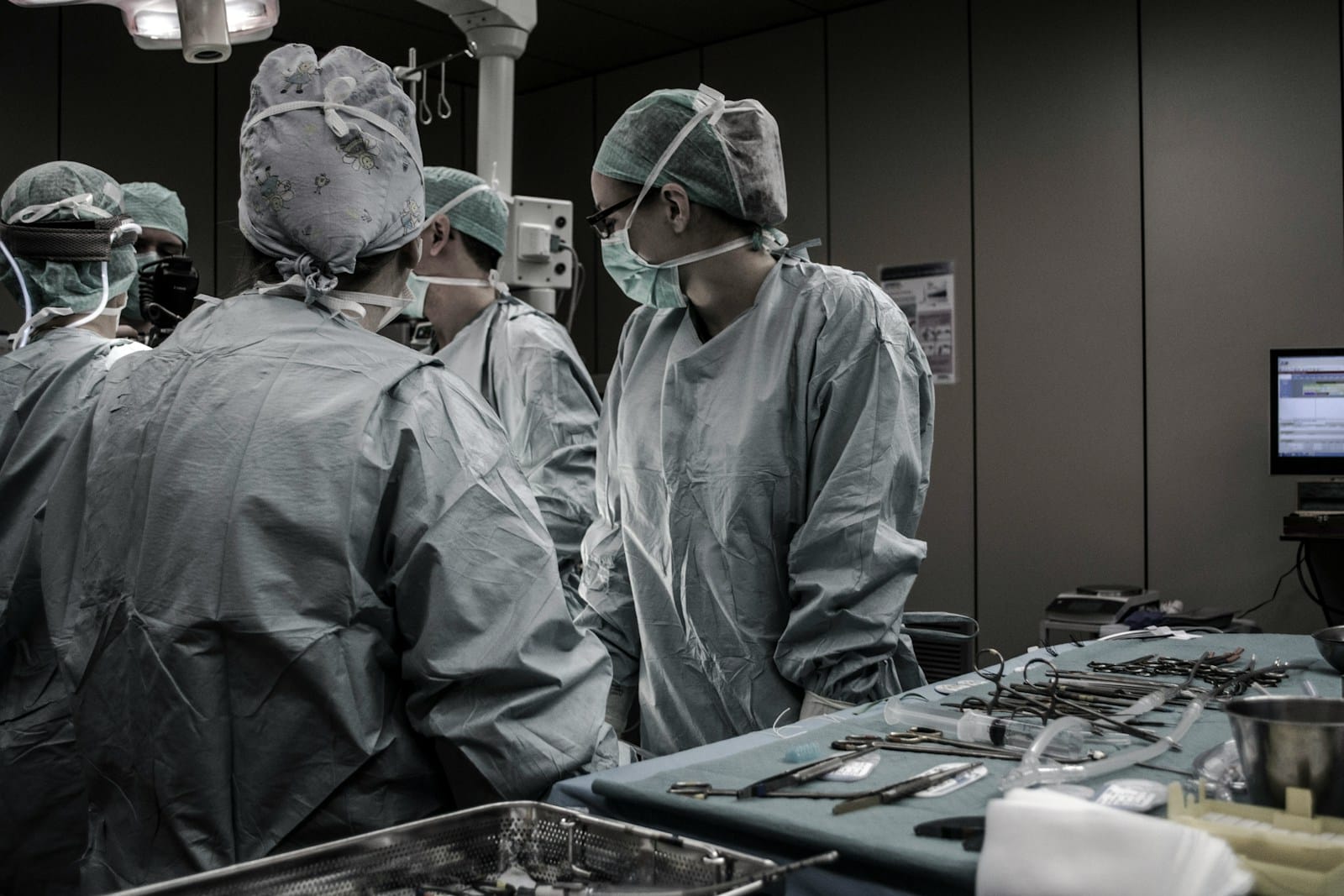
Hospitals in France are well-equipped and offer high-quality care. There is a distinction between public and private clinics, but all facilities are subject to strict standards to ensure care quality.
Public Hospitals
Public hospitals are health institutions funded by the state. They provide a wide range of medical services, from emergency care to specialized treatments. Public hospitals are accessible to all citizens and play a crucial role in the French health system.
Private Clinics
Private clinics are health institutions financed by private funds. They often offer services similar to public hospitals but may also specialize in certain types of care or specific treatments. Private clinics are known for their rapid access and the quality of care provided.
Standards and Accreditations
All healthcare facilities in France, whether public or private, must adhere to strict standards of quality and safety. The High Authority of Health (HAS) is responsible for evaluating and accrediting hospitals and clinics. Facilities are regularly assessed to ensure compliance with national standards.
High-Quality Care Services
Hospitals in France are equipped with modern technology and benefit from the expertise of highly qualified professionals. Patients have access to a broad range of services, including routine care, specialized treatments, and emergency care. Healthcare facilities prioritize providing high-quality care centered on patient needs.
Emergency Services
Emergency services play a crucial role in the French health system. Hospital emergency departments are available 24/7 to provide immediate care to critically ill patients. Emergency teams are trained to manage various medical situations, ensuring rapid and effective response and management.
Specialized Care
Hospitals and clinics offer specialized treatments across various medical fields. Patients can receive care for complex conditions such as cancer, heart diseases, and neurological disorders. Specialized centers equipped with advanced facilities and specialized personnel manage complex cases with exceptional expertise.
Research and Innovation
Healthcare institutions in France are often involved in medical research and innovation. University hospitals, in particular, are research centers where new technologies and treatments are developed and tested. This culture of innovation continuously improves care quality and develops new therapies for various diseases.
Equitable Access
One of the main goals of hospitals in France is to ensure equitable access to care. Whether in urban or rural areas, patients should be able to receive the necessary treatment without discrimination. Public health programs and health reforms are continually implemented to make sure health services are accessible to everyone.
Current Challenges of the French Healthcare System
Like any system, the French healthcare system faces significant challenges. Population aging, care funding, and resource management are major concerns. Reforms are regularly proposed to address these issues and maintain system efficiency.
Population Aging
The aging of the population is one of the most significant challenges for the French healthcare system. With life expectancy continually increasing, the number of elderly requiring long-term care and treatment for chronic diseases is also rising. This phenomenon puts increasing pressure on medical and financial resources.
Rise in Chronic Diseases
With population aging comes an increase in chronic diseases such as diabetes, cardiovascular diseases, and cancers. Managing these diseases requires continuous care and complex treatments, thereby increasing the demand for specialized medical services and long-term care. Healthcare professionals must be trained and equipped to meet these specific needs.
Funding of Healthcare
Funding healthcare is a major concern. The French health system, based on national solidarity, relies heavily on social contributions. However, rising costs and increased demand challenge financing. Healthcare expenses grow faster than available resources, threatening the financial sustainability of the system.
Management of Medical Resources
Effective management of medical resources is essential to maintain care quality. The system faces shortages of health professionals, including physicians, nurses, and specialists. This shortage is especially acute in rural areas and some urban regions. Efforts to attract and retain healthcare professionals in these areas are vital to ensure equitable access.
Reforms and Innovations
To respond to these challenges, regular reforms are necessary. Reforms aim to improve the system’s efficiency, optimize financial resources, and ensure high care quality. Technological innovations such as telemedicine and electronic health records play a key role in improving access and care coordination.
Equitable Access to Care
One of the main objectives of the French healthcare system is to guarantee equitable access to care for all citizens. However, persistent inequalities exist, notably between rural and urban areas, and across different socio-economic categories. Reforms aim to reduce these inequalities by improving resource distribution and facilitating access in underserved regions.
Reducing Wasteful Spending
Reducing wasteful expenses and improving efficiency are priorities to ensure the financial viability of the system. This includes streamlining administrative procedures, reducing redundancies in care, and promoting prevention to avoid costly hospitalizations and unnecessary treatments.
Prevention and Health Promotion
Prevention and health promotion are key to reducing long-term care needs. Campaigns to raise awareness, vaccination programs, and initiatives promoting healthy lifestyles play vital roles in reducing disease risks and enhancing public health. Encouraging healthy behaviors from a young age can help decrease the prevalence of chronic diseases.

Healthcare System Funding
The French healthcare system is mainly financed by Social Security and mutuals. Social Security covers all medical and hospital expenses of patients, including medications and long-term care.
Social Security
Social Security is the Main pillar of healthcare funding in France. It covers a broad range of medical benefits, from general practitioner consultations to complex hospital treatments. Social contributions paid by employers and employees fund the Social Security pool, ensuring financial sustainability.
Social Contributions
Social contributions represent the Main source of income for Social Security. They are deducted from wages and business revenues. This contribution system allows an equitable distribution of financial responsibility among all economic actors, ensuring universal access to healthcare.
Medical Benefits
Social Security reimburses a large part of patients’ medical expenses. This includes consultations with generalists and specialists, hospital stays, laboratory tests, and paramedical care. Patients also benefit from coverage of prescribed medications, medical devices, and home care.
Long-Term Care
The management of long-term care is a fundamental part of the French healthcare system. Social Security covers costs related to chronic illnesses and rehabilitation treatments, allowing patients to receive appropriate care over extended periods. This coverage includes treatments for conditions like cancer, diabetes, and cardiovascular diseases.
Mutual and Supplementary Insurance Plans
In addition to Social Security, mutuals and supplementary insurers play a crucial role in funding healthcare. Mutuals are non-profit organizations offering additional coverage for costs not reimbursed by Social Security, such as co-payments, dental care, and optical services. About 95% of the French subscribe to a supplementary health plan for more comprehensive coverage.
Additional Coverage
Supplementary health plans cover costs not reimbursed by Social Security, such as dental care, glasses, and specialized treatments. This dual coverage provides patients with greater financial protection and access to quality care without excessive costs.
Public and Private Funding
Funding for the healthcare system also relies on public and private funds. The government’s budget supports public hospitals, public health programs, and medical research initiatives. Private contributions mainly come from private insurance, donations, and philanthropic funding.
Financial Reforms
To ensure system sustainability, regular financial reforms are enacted. These reforms aim to optimize financial resource use, reduce unnecessary expenses, and guarantee effective fund management. Rationalization includes implementing activity-based tariffs (T2A) and promoting cost-effective medical practices.
The Three Levels of Healthcare System Organization
The French healthcare system is organized into three levels: national, regional, and local. The government develops and implements public health policies at the national level, while regional health agencies (ARS) define and execute regional health policies. Finally, territorial healthcare structures and health professionals manage local-level care.
National Level: Policy and Health Planning
At the national level, the government, through the Ministry of Health, is responsible for developing and implementing public health policies. The ministry sets strategic directions for the health system, such as disease prevention, health promotion, and health safety.
Policy Development
The Ministry of Health develops national health plans covering issues like cancer control, chronic disease prevention, and mental health promotion. These plans set priorities and long-term objectives.
Coordination and Regulation
At the national level, health authorities, such as the High Authority of Health (HAS), play a key role in coordination and regulation of care. They establish quality standards and care protocols, ensuring consistency and excellence in medical services across the country.
Regional Level: Regional Health Agencies (ARS)
Regional Health Agencies (ARS) are the intermediaries for implementing national policies regionally. Created in 2009, ARS are tasked with regulating and organizing healthcare supply in their territory, considering each region’s unique epidemiological, demographic, and geographical features.
Planning and Programming
ARS develop regional health projects (PRS) that set regional health priorities. These projects include regional schemes for organizing community, hospital, and medico-social care. PRS aim to improve access to care, reduce health inequalities, and ensure continuous, high-quality management.
Care Supply Regulation
ARS regulate healthcare supply by ensuring equitable distribution of medical resources and complementarity among healthcare providers. They are responsible for creating care structures, allocating financial resources, and supervising public and private healthcare facilities.
Local Level: Territorial Healthcare Structures and Professionals
At the local level, healthcare organization relies on territorial health structures and professionals. This level ensures a graduated approach to patient care based on their health status.
Primary Care
Primary care services are provided by general practitioners, private nurses, and pharmacies. These professionals are the first contact point for patients and play a crucial role in prevention and management of common ailments. They also coordinate care with other specialists and healthcare structures.
Second and Third Level Care
Second-level care is provided by specialist doctors and local hospitals, while third-level care is offered by university hospitals (CHU) and highly specialized centers. These facilities provide complex treatments and advanced interventions for rare and serious conditions.
Care Coordination and Continuity
Healthcare professionals and local facilities work in a network to ensure continuous care. Territorial professional communities (CPTS) and Territorial Hospital Groups (GHT) are established to strengthen collaboration among local actors. These structures help better coordinate patient pathways and optimize available resources.

Mission of Regional Health Agencies
The missions of Regional Health Agencies (ARS) are multiple: health policy steering, promoting health democracy in the region, and regulating health supply. To implement their actions, ARS develop a regional health project (PRS), which plans and programs resources allocated for health over five years.
Health Policy Steering
ARS are responsible for steering regional health policy. They implement the national directions set by the Ministry of Health, adapting them to local specifics. Regional steering includes defining health priorities, resource allocation, and supervising health institutions.
Promoting Health Democracy
Fostering health democracy is a key ARS mission. It aims to ensure citizens’ participation and health professionals’ involvement in developing and implementing health policies. ARS organize regional consultations, public hearings, and work groups to gather opinions and proposals from local stakeholders.
Regulating Health Supply
ARS regulate health supply in their territory to ensure equitable distribution and quality care. They are responsible for authorizing and supervising healthcare facilities, medico-social structures, and health professionals. This regulation ensures effective complementarity among structures and prevents access disparities.
The Regional Health Project (PRS)
The Regional Health Project (PRS) is the main tool available to ARS to plan and program healthcare resources over five years. It sets strategic objectives and actions to improve population health. The PRS includes three major components: the regional prevention plan, the organizational scheme for care, and the medico-social organization scheme.
Regional Prevention Scheme
The regional prevention scheme aims to promote public health by implementing disease prevention and health promotion actions. It includes vaccination campaigns, screening programs, and awareness initiatives for healthy behaviors. Prevention is essential to reduce morbidity and improve quality of life.
Regional Care Organization Scheme
The regional care organization scheme defines the structure and distribution of healthcare facilities across the territory. It aims to ensure equitable access to care for all citizens, considering geographical and demographic specificities. This scheme involves creating new structures, modernizing equipment, and distributing healthcare personnel.
Medico-Social Organization Scheme
The medico-social organization scheme concerns the care of vulnerable populations, such as the elderly, disabled, and economically disadvantaged. It aims to improve service quality, promote autonomy, and ensure social inclusion.
Coordination and Monitoring
ARS ensure coordination among healthcare actors at the regional level to guarantee continuous, coherent patient management. They supervise the implementation of actions in the PRS and regularly evaluate results. This coordination optimizes resource use and improves care quality.
Innovation and Adaptation
ARS promote innovation in health by supporting research projects and integrating new technologies into medical practices. They adapt to changing population needs and environmental shifts to ensure effective, modern patient management.
Local Level Organization
At the local level, healthcare organization allows a graduated care approach based on patients’ health status. Primary care is provided by general practitioners, second-level by specialist doctors and local hospitals, and third-level by specialized healthcare facilities.
Primary Care Services
Primary care constitutes the foundation of local health system. Mainly delivered by general practitioners, they play a crucial role in preventing and treating common diseases. They are often the first contact point for patients, providing regular consultations and managing routine care.
Role of General Practitioners
General practitioners are responsible for overall health management of their patients. They provide preventive care, diagnose and treat a broad range of medical conditions, and refer patients to specialists when needed. Their role is vital to maintain continuity of care and to coordinate treatments.
Accessibility and Proximity
Primary care services are characterized by their accessibility and proximity. Patients can easily consult their general practitioner, often located close to home. This proximity enables prompt and effective management, essential for treating acute and chronic diseases.
Second-Level Care
Second-level care is provided by specialist doctors and local hospitals. These services intervene when specific expertise from a specialist is needed for diagnosis and treatment of more complex conditions.
Specialist Doctors
Specialist doctors, such as cardiologists, dermatologists, and orthopedists, offer specialized consultations and treatments for specific conditions. They often work in close collaboration with general practitioners to ensure coordinated care. Patients are usually referred to these specialists by their primary care doctor.
Local Hospitals
Local hospitals provide core hospital services, including emergency care, outpatient consultations, and minor surgical procedures. They are essential for managing intermediate care needs and help reduce the workload on larger hospitals.
Third-Level Care
Third-level care is delivered by specialized healthcare facilities, such as university hospitals (CHU) and centers for rare disease reference. These facilities have advanced resources and highly skilled staff to treat complex and rare medical conditions.
University Hospitals (CHU)
CHUs are reference centers for third-level care. They provide specialized treatments and are equipped with state-of-the-art technology for complex interventions. In addition to care, CHUs serve as medical research centers and training sites for future healthcare professionals.
Highly Specialized Facilities
Highly specialized facilities handle rare diseases and particularly complex cases. They assemble multidisciplinary teams and benefit from the latest medical innovations to provide cutting-edge treatments. These centers are key players in clinical research and therapeutic innovation.
Care Coordination
Coordination of care is vital for effective and continuous management. Territorial professional communities (CPTS) and Territorial Hospital Groups (GHT) are structures designed to strengthen collaborative efforts among local healthcare actors.
Territorial Professional Communities (CPTS)
CPTS bring together primary care professionals, healthcare facilities, and medico-social organizations within a territory. Their goal is to promote care coordination and address local health needs in an integrated manner.
Territorial Hospital Groups (GHT)
GHTs are cooperation arrangements among public healthcare organizations. They aim to share resources and organize tiered, complementary care. GHTs facilitate a better distribution of activities and medical equipment, ensuring tailored patient management.
Leaders in the Healthcare Offer in France
The healthcare offer in France comprises three main components: medico-social services, ambulatory care, and hospital care. These three components work together to ensure comprehensive and coordinated patient management.
Medico-Social Offer
The medico-social offer includes residential facilities for dependent elderly persons and structures for people with disabilities. These institutions are vital for providing a suitable living environment tailored to the specific needs of vulnerable populations.
Facilities for Dependent Elderly Persons (EHPAD)
EHPADs are specialized structures for elderly people with dependency. They provide medical care, assistance with daily activities, and social activities to improve residents’ quality of life. EHPADs are essential for ensuring security and well-being for older adults who cannot live independently anymore.
Structures for People with Disabilities
Facilities for people with disabilities provide adapted care and daily support for individuals with physical or mental disabilities. These institutions include medicalized residential homes (FAM) and specialized care houses (MAS). They offer rehabilitation, therapeutic support, and activities aimed at promoting autonomy.
Ambulatory Offer
The ambulatory offer consists of healthcare professionals working independently or collaboratively in centers or health houses. It includes services provided outside hospitals, enabling quick and flexible access to healthcare services.
Private Healthcare Professionals
General practitioners, specialists, dentists, nurses, and other private healthcare professionals are essential in ambulatory care. They deliver consultations, treatments, and preventive services in clinics or health centers. They are often the first contact point for patients.
Health Centers and Houses
Health centers and houses group multidisciplinary teams of healthcare providers working in coordination to offer comprehensive and integrated care. They promote holistic patient management, including prevention, diagnosis, treatment, and follow-up. These structures also facilitate care continuity and professional cooperation.
Hospital Offer
The hospital offer encompasses all care services provided by public and private healthcare institutions. Hospitals and clinics deliver a wide spectrum of medical and surgical services, from routine care to complex and specialized treatments.
Public Hospitals
Public hospitals are financed by the state and provide accessible care to all citizens. They are equipped for acute care, surgical interventions, emergency treatment, and chronic illness management. Public hospitals are central for intensive care and specialized treatment of patients.
Private Clinics
Private clinics offer high-quality care and are often specialized in areas like aesthetic surgery, cardiology, or orthopedics. They may provide shorter waiting times and personalized services. Private clinics are an important complement to the public sector, offering a variety of choices to patients.
Specialized Care Services
Specialized health centers, such as cancer treatment centers and rehabilitation centers, offer highly specialized care for specific conditions. Equipped with advanced technology and specialized staff, they manage complex and rare diseases. These centers are vital for clinical research and therapeutic innovation.
Territorial Hospital Groups
The 2016 law established Territorial Hospital Groups (GHT), which enable health facilities to implement a shared and tiered care strategy for patients. The Shared Medical Project (PMP) is the cornerstone of GHTs. It aims to establish a tailored and progressive patient care approach, aligned with their health status, while developing territorial medical and care strategies.
Objectives of the Territorial Hospital Groups (GHT)
GHTs aim to pool resources and optimize care organization in a given territory. They facilitate collaboration among public health institutions to offer comprehensive and coherent patient care.
Cooperation and Pooling
GHTs enhance collaborative efforts among hospitals within the same territory by sharing technical, human, and financial resources. This cooperation guarantees a homogeneous care offer and helps sustain medical specialties in areas where they might otherwise disappear.
Improving Access to Care
By establishing coordinated care pathways, GHTs improve access to care for all patients. They ensure that each patient can receive appropriate care without extensive travel, reducing territorial health inequalities.
The Shared Medical Project (PMP)
The Shared Medical Project (PMP) is the strategic core of GHTs. It defines the shared directions and actions of member institutions to meet the health needs of the territory’s population.
Defining Care Pathways
The PMP establishes graduated care pathways, allowing progressive management based on disease complexity. Primary care facilities handle basic needs, while specialized centers manage more complex cases.
Coordination of Medical Actions
The PMP encourages coordination among healthcare institutions to ensure continuity and avoid redundancies. Medical professionals work together to follow common protocols and adopt best practices, ensuring uniform quality.
Advantages of the Territorial Hospital Groups
GHTs offer multiple benefits for the healthcare system and patients.
Resource Optimization
Pooling resources reduces costs and optimizes equipment and staff use. This efficiency results in better performance and more effective resource allocation.
Skills Reinforcement
GHTs facilitate skill sharing and expertise exchange. Healthcare staff benefit from joint training, knowledge sharing, and continuous professional development programs.
Improving Care Quality
Through coordinated protocol implementation, GHTs enhance care quality. Patients benefit from more consistent care and improved medical practices, reducing complication risks and errors.
Implementation and Challenges
Establishing GHTs requires adaptation and close collaboration among institutions. Challenges include managing organizational change, harmonizing procedures, and maintaining effective communication.
Change Management
Institutions must adapt to new organizational structures and collaborative work styles. Managing change is essential for a smooth transition toward new cooperation and pooling models.
Procedural Harmonization
Harmonizing administrative and clinical procedures ensures coherence in patient care and facilitates care coordination across institutions.
Communication and Coordination
Effective communication among GHT members is vital to ensure good coordination. Using efficient communication tools and holding regular meetings help maintain collaboration and quickly resolve issues.

Healthcare Facility Certification
All healthcare facilities undergo an external evaluation procedure called “Certification”. This independent assessment aims to improve quality and safety of care by promoting evaluation and continuous practice improvement processes. Certification is renewed every four to six years by the High Authority of Health (HAS).
Goals of Certification
The main goals of healthcare facility certification are to guarantee quality and to ensure safety. It verifies adherence to current standards and norms and encourages ongoing practice improvement.
Enhancing Care Quality
A fundamental aim is to improve care quality. Facilities must demonstrate they have implemented protocols and procedures aimed at providing high-quality care. Certification promotes innovation and adoption of best practices.
Care Safety
Certification also seeks to strengthen care safety. Facilities are evaluated on their ability to prevent medical errors, manage risks, and ensure patient safety. This includes evaluating health vigilance devices, hygiene protocols, and security measures.
Certification Process
Certification involves an external audit conducted by HAS experts. It’s a comprehensive and rigorous assessment of hospital and clinic practices and infrastructure.
Self-Assessment
Before the external audit, facilities perform a self-evaluation to identify strengths and weaknesses. This step prepares for the audit and allows for corrective actions if necessary. Self-assessment fosters awareness and internal engagement around quality and safety issues.
External Audit
The external audit is carried out by health professionals and quality experts mandated by HAS. It includes on-site visits, interviews with staff and patients, and review of documents and procedures. The audit assesses compliance with HAS standards and identifies areas for improvement.
Certification Report
Following the audit, a certification report is compiled. It details the conclusions of the assessment, highlights strengths and non-conformities. It also offers recommendations to improve care quality and safety. The report is shared with the facility and HAS.
Updating Certification
Facility certification is renewed every four to six years. This frequency ensures that facilities maintain high quality and safety standards and continue to progress in practice improvement.
Monitoring and Evaluation
Between certifications, HAS conducts regular follow-ups to verify implementation of recommendations and corrective actions. Facilities must report on their progress and measures taken to enhance practices. This rigorous follow-up guarantees ongoing improvement dynamics.
Re-evaluation
During each certification cycle, facilities are re-assessed on all quality and safety criteria. Re-evaluation measures progress made and sets new goals. Facilities that do not meet standards may be required to develop action plans or, in extreme cases, risk losing certification.
Importance of Certification
Healthcare facility certification is crucial for ensuring trust and transparency with patients and the public. It guarantees that facilities provide care in line with best standards and are committed to continuous practice improvement.
Patient Confidence
Certification reassures patients about the quality and safety of the care they receive. It enables them to select certified facilities, ensuring optimal management. Patients can consult certification reports to evaluate performance of establishments.
Credibility and Recognition
For healthcare facilities, certification is a mark of credibility and recognition. It demonstrates their commitment to quality and safety and enhances their reputation. Certified facilities gain a competitive advantage and attract more patients and health professionals.
Conclusion
The French healthcare system displays many strengths, including universal access to care, comprehensive insurance coverage, generally high care quality, and leading medical research. However, it faces significant challenges such as population aging, inequalities in access to care, and rising health expenditures. To improve the French healthcare system moving forward, reforms aimed at controlling costs while maintaining quality, enhancing access in underserved regions, and attracting and retaining more health professionals are essential.


For Further Reading

Entraîne-toi avec nos Quiz de révision
Fini les lectures passives. Pour retenir les notions clés du BTS Assurance, teste-toi ! Inscris-toi pour recevoir 1 quiz par jour directement dans ta boîte mail.


