




In Summary
| Category | Details |
|---|---|
| 🏥 Type of Surgery | Hip Arthroplasty (replacement of the hip joint with an artificial prosthesis) |
| 📋 Indications | Severe osteoarthritis, avascular necrosis of the femoral head, other degenerative conditions |
| 🔧 Surgical Techniques | Posterior (traditional), Mini-invasive anterior |
| ⏰ Duration of Surgery | 1 to 3 hours, depending on approach and complexity |
| 🛠️ Type of Prosthesis | Standard, High-end, Custom-made |
| 💶 Cost of the Prosthesis | 8,000 to 20,000 €, depending on type |
| 💰 Insurance Reimbursement | Up to 90% of the prosthesis cost, depending on coverage |
| 💉 Anesthesia | General +/- regional anesthesia, Spinal anesthesia |
| ⚠️ Surgical Risks | Bleeding, Infection, Dislocation, Deep vein thrombosis, Anesthesia-related complications |
| 🏋️ Rehabilitation | Begins immediately, importance of physical exercises, regular follow-up |
| 🚶 Recovery | Use of crutches (1-2 weeks), resumption of sports activities after 3 months, regular medical follow-up |
| 🎯 Expected Benefits | Pain relief, improved mobility, increased quality of life |
Hip surgery is a revolutionary procedure that has restored hope and mobility to millions around the world. Thanks to technological advancements, techniques for hip surgery have evolved, allowing quicker recovery and less pain for patients.
What is Hip Surgery?
Hip surgery, scientifically known as arthroplasty, is a major surgical procedure where an affected hip joint is replaced with a synthetic device or prosthesis. This medical technique has become a standard solution for people suffering from debilitating joint pain, mainly due to osteoarthritis but also from other degenerative diseases such as avascular necrosis or trauma sequelae.
Indications for Hip Arthroplasty
The primary indication for hip arthroplasty is the presence of severe osteoarthritis, a condition characterized by the progressive deterioration of the cartilage covering the ends of bones in the joints. This wear leads to intense pain, stiffness, and ultimately a loss of hip mobility, significantly affecting the patient’s quality of life. Other conditions, such as inflammatory diseases like rheumatoid arthritis or sequelae from hip fractures, may also require such surgery.
The Hip Prosthesis
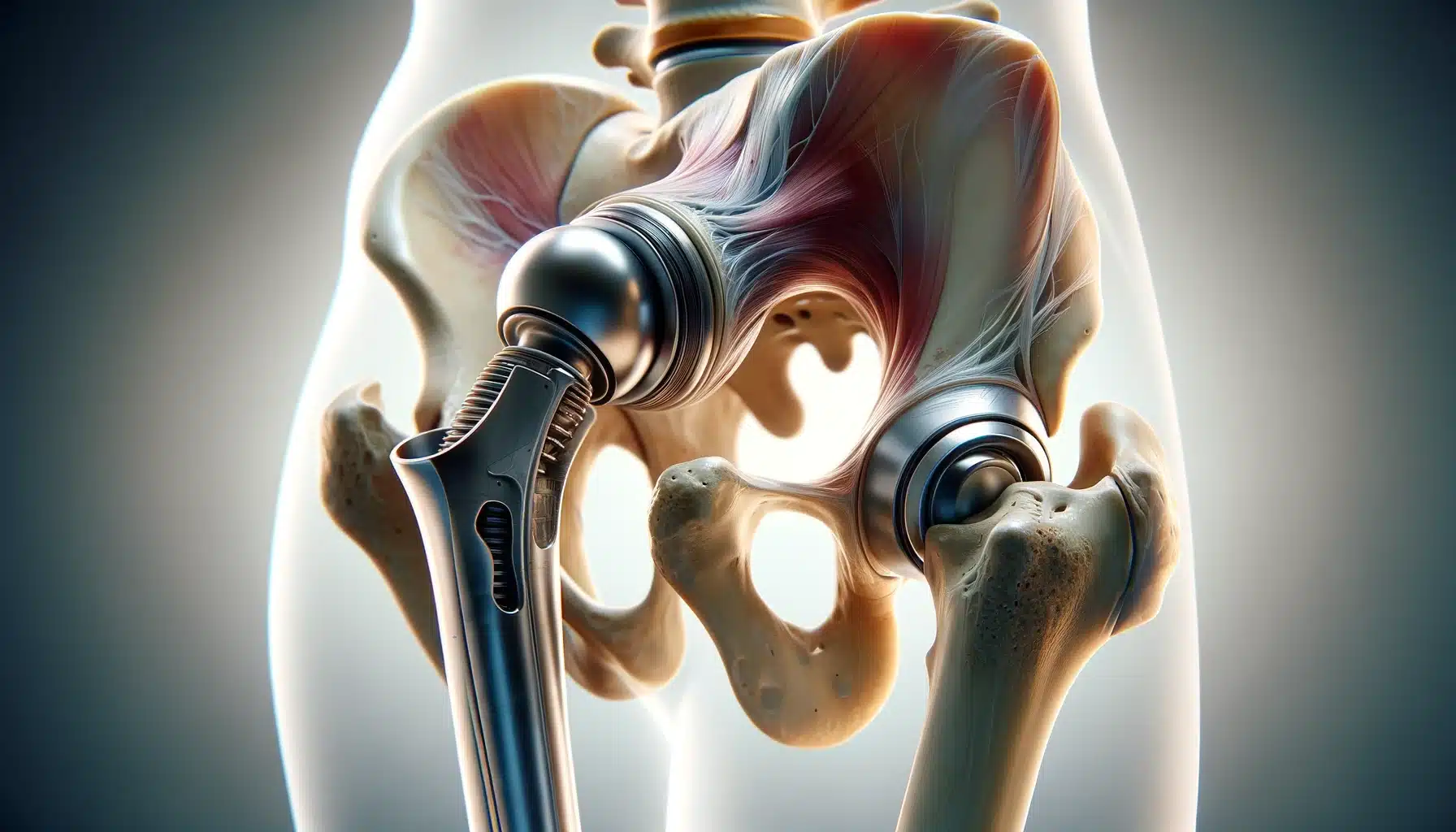
The prosthesis used to replace the damaged joint consists of two main parts: a cup that fits into the pelvis and a stem with a spherical head inserted into the femur. The materials used for these prostheses vary, often including metal alloys, ceramics, or special plastics, each chosen for durability and ability to mimic natural hip movement.
Advantages of Arthroplasty
The most notable advantage of hip arthroplasty is its ability to restore mobility and relieve pain. Patients undergoing this procedure often report returning to normal activities they thought were lost, such as walking without pain, climbing stairs, and even participating in sports. This significantly improves the overall quality of life for patients.
What Budget Should Be Considered for Hip Surgery?
| Description | Cost (€) | Reimbursed by Insurance (€) | Remaining Out-of-Pocket (€) |
|---|---|---|---|
| Pre-Operative Consultation | 150 | 135 | 15 |
| X-ray | 100 | 90 | 10 |
| Hip Prosthesis | 12,000 | 10,800 | 1,200 |
| Surgeon Fees | 2,500 | 2,250 | 250 |
| Anesthesia | 700 | 630 | 70 |
| Hospital Stay (5 days) | 3,000 | 2,700 | 300 |
| Post-Operative Medications | 150 | 135 | 15 |
| Rehabilitation (10 sessions) | 500 | 450 | 50 |
| Post-Operative Follow-up | 200 | 180 | 20 |
| Total | 19,300 | 17,370 | 1,930 |
Benefits of Hip Arthroplasty
Hip arthroplasty can transform patients’ lives by providing pain relief that is often immediate and noteworthy. Despite being a major procedure, countless patient testimonials report a restored quality of life they believed impossible.
Pain Relief
The most obvious benefit of hip arthroplasty is the sustainable relief of pain. Patients suffering from osteoarthritis or other degenerative conditions often live with chronic pain that limits their daily activities. After surgery, many experience a drastic reduction, or even disappearance, of pain that had severely handicapped them.
Improvement in Mobility
Another significant benefit is the gain in mobility. Hip arthroplasty allows for smooth, natural joint movements, enabling patients to return to activities such as walking, cycling, or even dancing, without painful constraints.
Increased Quality of Life
The surgery has a positive impact on overall quality of life. It allows patients to resume leisure activities, regain independence, and interact socially without constant pain. Patients benefit not only physically but also emotionally and psychologically, regaining a more positive outlook and greater zest for life.

Preparation for Hip Surgery
Preparation for hip surgery is a key process that influences the effectiveness of the procedure and the speed of post-operative recovery. It involves medical, physical, and psychological steps that each patient must follow rigorously.
Pre-Operative Medical Evaluation and Physiotherapy
Before surgery, it is essential to undergo a comprehensive medical assessment to evaluate overall health and specific hip issues. These pre-surgical tests may include X-rays, blood tests, and sometimes MRIs or CT scans. Often, physiotherapy sessions are also prescribed to strengthen muscles and improve hip flexibility, which can contribute to better surgical outcomes and faster healing.
Mental Preparation
Adequate mental preparation is just as fundamental as physical readiness. It often involves familiarizing oneself with the procedure, understanding post-operative expectations, and developing a positive attitude towards recovery. This stage can be supported by discussions with the surgical team, psychologists, or even patients who have already undergone surgery.
Impact of Preparation on Recovery
Good preparation can reduce anxiety before surgery and promote a proactive attitude towards rehabilitation. Active patient participation in their care path contributes to better pain management and a more effective and faster recovery.
Day of Surgery
The day of hip surgery is a decisive moment where meticulous preparation meets surgical expertise. It is a day filled with expectations for the patient and the medical team, all focused on the success of the procedure and the patient’s well-being.
Anesthesia and Patient Comfort
Before the incision, patients receive appropriate anesthesia, chosen based on their health status and specifics of the intervention. The goal is to ensure complete absence of pain throughout the procedure, whether general anesthesia or spinal anesthesia. This step is crucial for maintaining patient comfort and safety.
Immediately After Surgery
Once the surgery is completed, the patient is cared for by a team of post-operative care. Vital signs are monitored, pain is managed proactively, and immediate attention is given to preventing complications such as infections or blood clots. A sterile dressing is applied, and patient wakefulness is closely monitored.
Start of Recovery
Recovery begins as soon as the patient is conscious. Caregivers encourage initial movements to promote blood circulation and reduce the risk of deep vein thrombosis. The post-operative approach is often multidisciplinary, involving surgeons, nurses, physiotherapists, and sometimes occupational therapists, all committed to facilitating optimal recovery.
Recovery and Rehabilitation
After a hip arthroplasty, recovery and rehabilitation are crucial stages that require time, patience, and perseverance. Each patient reacts differently, and while timelines may vary, the goal remains the same: to regain full hip function and return to normal life.
Rehabilitation Phase
Rehabilitation typically begins early after anesthesia, with gentle movements to stimulate blood flow. Under the guidance of physiotherapists, patients start exercises essential for strengthening weakened muscles and preventing complications such as joint stiffness.
Post-Operative Follow-up
Regular appointments with the orthopedic surgeon are necessary to monitor healing progress, adjust rehabilitation programs, and ensure the prosthesis functions correctly. These follow-ups are important to detect and treat any potential complications promptly.
Importance of Rehabilitation
Post-operative rehabilitation is indispensable for restoring full mobility and ensuring that the operated hip can safely support body weight. Prescribed exercises are designed to gradually increase range of motion and strength in the operated leg.
Tips for Better Recovery
Health professionals often recommend temporary lifestyle changes to support recovery. These adjustments may include dietary modifications to promote tissue healing, temporary smoking cessation, and avoidance of certain high-risk activities.
| Phase | Activities and Care | Duration | Goals |
|---|---|---|---|
| Immediate (0-24 hours) | – Monitoring vital signs
– Pain management – Beginning passive movements |
First post-op day | – Reduce risk of complications
– Alleviate pain |
| Early (1-3 days) | – Mobilization with assistance
– Gentle physiotherapy exercises – Use of crutches if necessary |
1 to 3 days | – Promote blood circulation
– Initiate muscle rehabilitation |
| Intermediate (3 days – 3 weeks) | – Progressive increase in exercises
– Assisted walking increase – Wound monitoring |
3 days to 3 weeks | – Improve mobility and independence
– Strengthen muscles |
| Advanced (3 weeks – 3 months) | – Active rehabilitation
– Gradual return to normal activities – Follow-up consultations |
3 weeks to 3 months | – Return to daily life
– Maximize hip function |
| Long-term (3 months and onward) | – Annual or biannual follow-up
– Adapted sports activities – Ongoing prosthesis evaluation |
3 months and onward | – Support sustainable active living
– Monitor prosthesis condition |
Conclusion
Deciding to undergo hip surgery is not to be taken lightly, but for many patients, it is a life-changing decision. With an experienced surgeon and adequate post-operative follow-up, outcomes can be highly positive, allowing patients to resume their favorite activities without pain.


For Further Information

Entraîne-toi avec nos Quiz de révision
Fini les lectures passives. Pour retenir les notions clés du BTS Assurance, teste-toi ! Inscris-toi pour recevoir 1 quiz par jour directement dans ta boîte mail.


