




In Summary
| Section | Details |
|---|---|
| 🛡️ Importance of Mirrors | Mirrors provide crucial rear visibility, allowing bikers to monitor traffic, detect approaching vehicles, and enhance their safety. They are essential for lane changes and maneuvers, helping to anticipate the actions of other drivers. |
| 🚦 Legal Compliance | Having functional mirrors is a legal requirement in many countries, necessary to avoid sanctions such as fines or driving restrictions. |
| 🛡️ Contribution to Defensive Driving | Mirrors enable awareness of the immediate environment and any potential dangers, facilitating informed decisions on the road and reducing accident risks. |
| 🔍 Mirror Regulations | Regulations vary from country to country but generally include the obligation to have mirrors on both sides of the vehicle. These rules may also specify the size and placement of mirrors to ensure visibility without blind spots. |
| 💲 Impact on Insurance Premiums | Well-maintained mirrors can positively influence insurance premiums by indicating cautious driving. Conversely, damaged or missing mirrors may be perceived as negligence and increase insurance costs. |
| 🚨 Consequences of a Damaged or Missing Mirror | This can lead to denial of compensation in case of an accident. It is crucial to report any damage or modification to the insurer to maintain insurance coverage validity. |
The mirrors on motorcycles play a crucial role not only for the rider’s safety but also within the scope of motorcycle insurance. This article details the importance of mirrors, associated regulations, and insurance implications.
Importance of Mirrors for Motorcyclists
Mirrors are essential equipment for any motorcyclist, offering crucial rear visibility without requiring physical movements that could compromise balance or concentration. In fact, these accessories allow bikers to monitor traffic and quickly detect approaching vehicles, significantly increasing their safety.
Monitoring and Accident Prevention
Thanks to mirrors, motorcyclists can keep an eye on vehicles behind them and assess their speed and distance. This information is vital during lane changes or other maneuvers, as it helps anticipate other drivers’ actions and respond appropriately. This is especially important in situations where vehicles may approach at high speed or change lanes suddenly.
Navigation and Maneuver Assistance
Mirrors also help riders navigate safely through dense traffic, allowing them to see vehicles following closely. The ability to evaluate the space around the motorcycle is essential for executing safe turns, especially at intersections and on highways where blind spots or unexpected maneuvers can lead to collisions.
Legal Compliance
In many countries, having functional mirrors on a motorcycle is a legal requirement. Failing to meet this standard can result in sanctions such as fines or even driving restrictions. Therefore, keeping mirrors in good condition is not only a safety measure but also a legal obligation.
Contribution to Defensive Driving
Mirrors are vital tools for defensive driving because they allow motorcyclists to stay aware of their immediate environment and any approaching dangers from behind. By providing a clear view of what happens behind them, bikers can make informed decisions on the road, reducing the risks of late or inappropriate reactions that could lead to accidents.
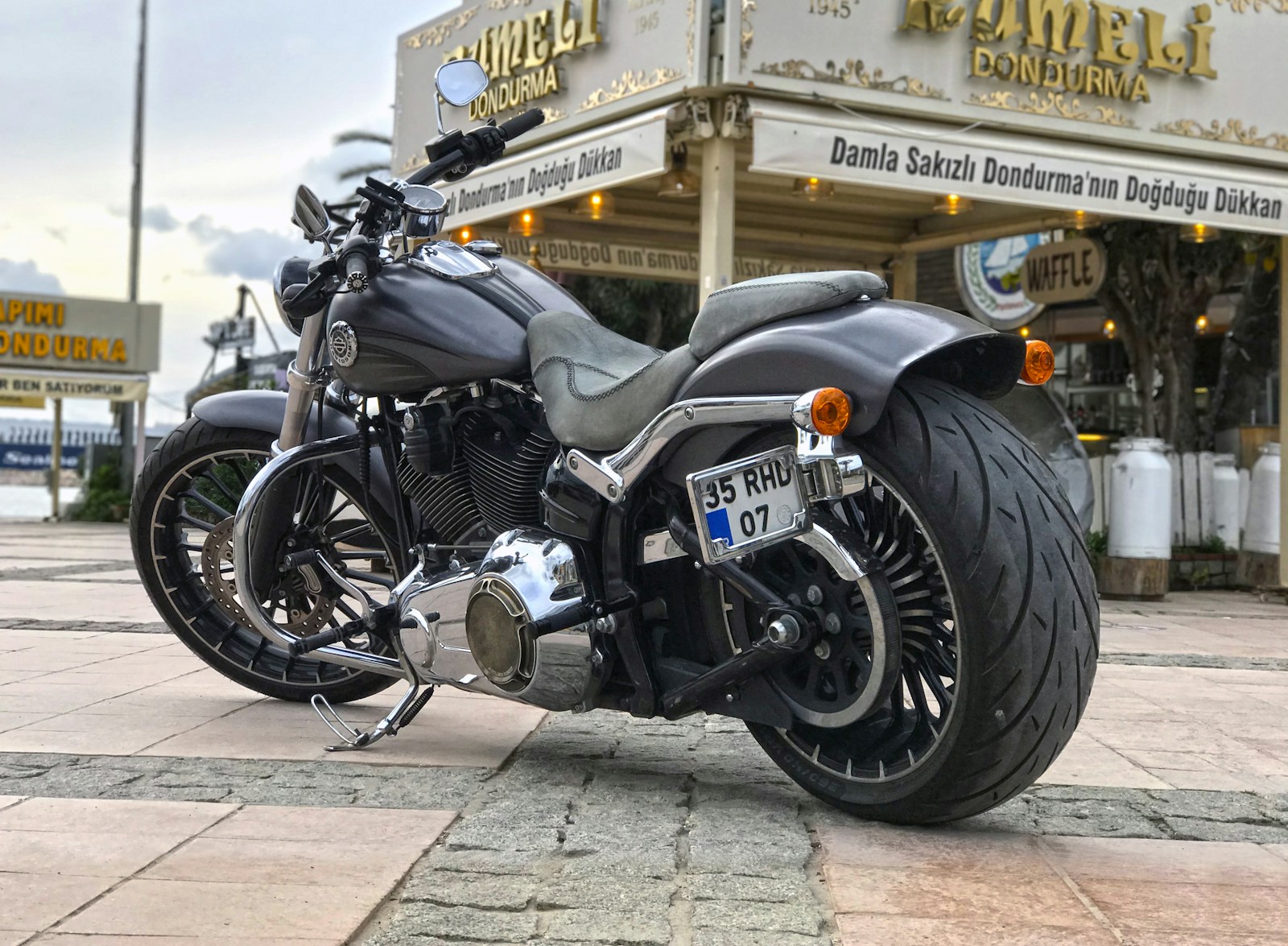
Regulations Concerning Motorcycle Mirrors
Mirrors on motorcycles are not just convenient accessories but safety equipment regulated by law in many countries. Here is an overview of common regulations for motorcycle mirrors, which vary significantly from region to region.
Basic Requirements for Mirrors
In most countries, regulations require motorcycles to be equipped with mirrors on both sides, left and right. This requirement helps ensure that motorcyclists have a sufficient view of the rear and sides to maneuver and change lanes safely. This is especially crucial in dense urban environments where navigating among constantly moving vehicles can be dangerous.
Variability of Standards
While installing mirrors on both sides is standard, the size and specific placement of mirrors can vary. Some countries or regions may have specific requirements regarding the dimensions of mirrors to ensure they provide adequate visibility without causing distraction or additional safety risks.
Legislation on Visibility and Blind Spots
Regulations may also specify that mirrors be designed and positioned to minimize blind spots. This means that mirrors must be adjustable to accommodate different drivers and ensure complete visual coverage of the environment behind the rider.
Modifications and Compliance
Motorcyclists wishing to customize their bikes should be aware that any modifications to mirrors must remain compliant with safety standards. Non-compliant modifications may endanger the rider and lead to legal sanctions or insurance issues in case of an accident.
Periodic Checks
Some countries require periodic vehicle inspections, including mirrors, to ensure all safety equipment is in proper working order. These inspections may be necessary for renewing vehicle registration or maintaining insurance validity.
Implications for Riders
It is crucial for all motorcyclists to be aware of and understand local regulations regarding mirrors to remain compliant with the law and keep valid insurance coverage. Ignoring these regulations can result in fines and an increased risk of accidents.
Regulations by Country
| Country | Law Text | Main Requirements |
|---|---|---|
| France | Traffic Code, Article R. 316-3 | Mandatory to have mirrors on the left and right sides of the vehicle. Mirrors must allow a clear and continuous view of the rear. |
| United States | Federal Motor Vehicle Safety Standards (FMVSS), No. 111 | Mirrors on both sides for all motorized vehicles, including motorcycles. Mirrors must provide adequate rear visibility. |
| Germany | Straßenverkehrs-Zulassungs-Ordnung (StVZO) § 56 | Mandatory mirrors on the left and right for motorcycles, adjustable and providing sufficient visibility without blind spots. |
| United Kingdom | The Road Vehicles (Construction and Use) Regulations 1986, Regulation 33 | Mirrors mounted on both sides of the motorcycle. They must be properly adjusted to provide an effective rear view. |
| Japan | Road Traffic Act, Article 55 | Mandatory mirrors on the left and right. They must be designed to avoid excessive distortion and provide a clear rear view. |
| Australia | Australian Design Rule (ADR) 14/02 | Mandatory mirrors on the left and right, meeting strict standards of visibility and vibration resistance. |
Mirrors and Motorcycle Insurance
Mirrors on motorcycles are more than just safety elements; they also play a significant role in determining insurance premiums and insurer decisions during claims processing.
Impact of Mirrors on Insurance Premiums
The presence and condition of mirrors can directly influence motorcycle insurance premiums. Well-maintained and properly adjusted mirrors are often seen as an indicator of cautious driving. This can signal to the insurer that the rider takes proactive measures to prevent accidents, potentially lowering insurance costs. Conversely, missing or damaged mirrors may be viewed as neglect and increase premiums due to a higher perceived risk.
Consequences of a Damaged or Missing Mirror
A broken or missing mirror can have serious implications in the event of a claim. Firstly, it can be seen as a sign of negligence on the part of the rider, which could lead to a denial of compensation in case of an accident. If an accident occurs and the absence or poor condition of mirrors partly causes the incident, the insurer might argue that the rider failed to maintain the vehicle in a safe condition in accordance with legal and contractual standards.
Mandatory Damage or Modification Declaration
It is essential for policyholders to report any damage or modifications made to mirrors. This includes not only accidental breakages but also replacements or upgrades. Informing the insurer of such changes is vital to ensure ongoing coverage validity and avoid complications during claims. Non-disclosure can be interpreted as a breach of the insurance contract terms, potentially leading to penalties or policy cancellation if discovered during a claim.
Advice for Riders
- Regularly inspect your mirrors to ensure they are in good condition and provide clear visibility.
- Immediately repair or replace damaged mirrors to maintain safety and legal compliance.
- Inform your insurer of any modifications to the structure or condition of your mirrors to keep your policy updated.
Some Maintenance Costs for a Motorcycle:
| Motorcycle Part | Average Price (approximate) |
|---|---|
| Complete engine | 500 € – 2500 € |
| Transmission | 100 € – 800 € |
| Mirror | 20 € – 200 € |
| Headlight | 50 € – 300 € |
| Seat | 50 € – 400 € |
| Tyres (pair) | 100 € – 400 € |
| Brake discs | 30 € – 300 € per disc |
| Shocks (pair) | 100 € – 1000 € |
| Battery | 50 € – 200 € |
| Full exhaust system | 100 € – 1000 € |
| Handlebars | 20 € – 300 € |
| Drive chain | 50 € – 200 € |
| Fairing (full set) | 200 € – 1500 € |
| Radiator | 100 € – 500 € |
| Alternator | 100 € – 600 € |
Conclusion
Mirrors are not just aesthetic or functional accessories; they are a legal necessity and a crucial aspect of motorcycle safety and insurance. Ensure your mirrors are always in good condition and compliant with your motorcycle model’s specifications to benefit from optimal coverage in case of an accident.


To learn more

Entraîne-toi avec nos Quiz de révision
Fini les lectures passives. Pour retenir les notions clés du BTS Assurance, teste-toi ! Inscris-toi pour recevoir 1 quiz par jour directement dans ta boîte mail.


